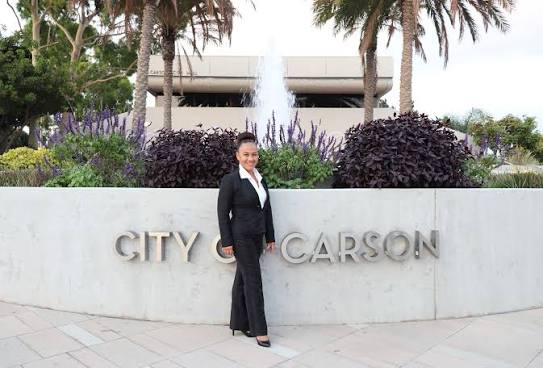

When I was a child, I never thought I would become a content writer. Back then, writing wasn’t something I enjoyed. I didn’t feel creative, and my handwriting was far from perfect. I remember getting scolded by my teacher quite often because of it. As a result, I was assigned to write a short story every week, and she would always check my work at our next meeting.
Over time, though, my writing improved, and so did my imagination. Looking back, I’m actually grateful to my teacher for pushing me to write those stories. It also led me to discover my love for reading, especially teen novels. I spent most of my junior high years lost in books.
To fast forward a bit, I graduated from Brawijaya University and started working as a junior journalist at Jawa Pos. Then, by chance, I found myself in the world of content writing. I was offered a position at a start-up, and that’s how my journey as a content writer began.
Since I didn’t have any prior experience, I had to learn on my own. I didn’t know much about content writing, so I spent time reading and learning about it—everything from writing catchy headlines to engaging readers effectively.
Now, as a student at Purwadhika, I’m studying Fullstack Digital Marketing. Part of that involves learning both content writing and copywriting, and I’d like to share what I’ve learned about the difference between the two.
What is copywriting?
Firstly, I will let you know about copywriting from my perspective. From what I learned, copywriting is about how to persuade people to do something. For instance, to buy some stuff, subscribe to a channel, or maybe download an application either at the Play Store or Apple Store.
Based on Neil Patel’s blog, he said that copywriting is all about persuasion. Copywriters are experts at using words to get people to take a desired action—whether that’s purchasing an item, signing up for an email list, or downloading an e-book.
Neil Patel said that the responsibility of copywriters is to create effective copy-the text on your website that converts browsers into buyers. You can see the words in display ads, banners, emails, or maybe on your notification app.
A copywriter might be responsible for crafting copy for:
- Marketing emails
- Print advertisements
- Landing pages
- Billboards
- Web content
- Product pages
- Brochures
- Social media
Copywriting is usually more concise, delivering its message with fewer words for a stronger impact. It also tends to have a shorter lifespan, as it’s created for a specific campaign or purpose. Here’s an example of copywriting used in Jenius ads.

What is content writing?
Secondly, I will share about content writing. Actually, what is content writing? Based on Neil Patel’s blog, content writing is more about education and building relationships. Content writers produce content to help readers better understand a topic, solve a problem or make a decision. They try to attract and engage with the readers by providing value that resonates with the reader’s needs.
To capture readers’ attention, content writers need to craft well-written, informative, and easy-to-read pieces. This begins with researching the topic thoroughly, organizing the information, and creating an outline to make the writing process smoother.
In today’s digital age, where content is everywhere, writing effective and engaging articles is essential if you want your work to stand out. At least, you should write 500 words in an article. Neil Patel said that the ideal length of an article ranges from 2,100 to 2,400 words. It has a longer life, often finding a permanent home on the blog or resource page of a website.
Content writers often produce various types of writing, such as:
- Blog posts
- Articles
- Press releases
- White papers/case studies
- Newsletters
- Podcasts
- Print magazines
Here’s a brief look at copywriting and content writing from my viewpoint. If you’re in need of either service, I’m here to assist.