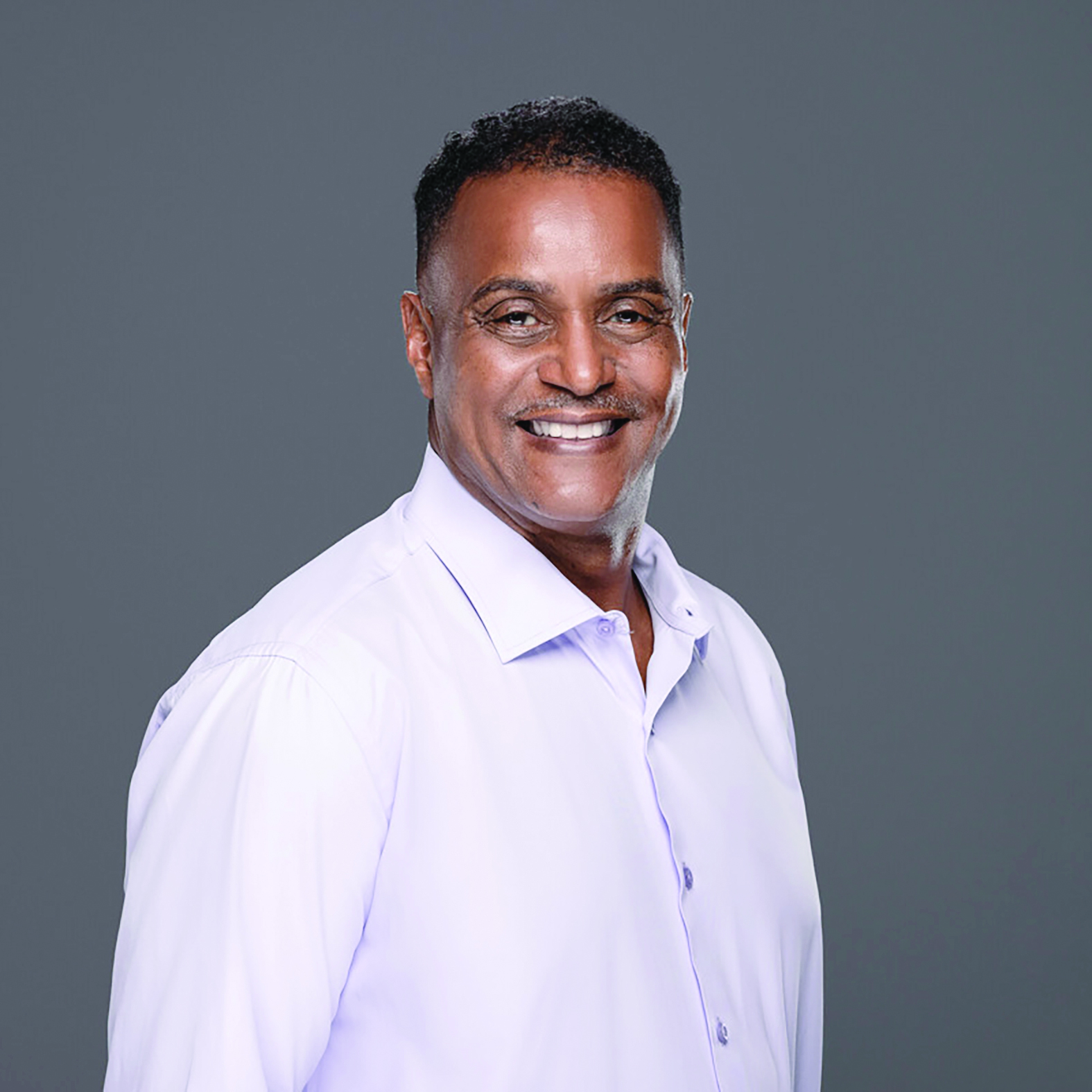
Carson, CA — When Will Jefferson talks about finance, he does not just talk numbers. He talks preparation, transparency, and people.
Jefferson, who now oversees the City of Carson’s financial operations, brings experience from city government, the private sector, and the Los Angeles Homeless Services Authority (LAHSA), where he managed an $800 million annual budget. That broad background, he says, shaped the way he approaches Carson’s financial future.
“I’ve been in cities that were prosperous, and I’ve been in cities that weren’t prosperous,” Jefferson said during a recent interview with The Carson Compass. “My bread and butter is not when we have money — it’s when we don’t have money. How do we properly prepare and keep the city moving forward?”
Jefferson described finance as a discipline rooted in recognizing patterns and preparing for economic challenges. He compared financial cycles to a repeating rhythm of growth and decline.
“The market has always been up and down,” he explained. “Once you recognize the pattern, you know how to move accordingly.”
That philosophy has influenced the way Carson’s finance department monitors spending, tracks department budgets, and prepares for long-term projects years in advance.
Jefferson also emphasized the city’s push toward modernization and accessibility through technology upgrades designed to make government services more user friendly and transparent.
One of those upgrades is the city’s new Enterprise Permits and Licenses system, known as EP&L, which allows residents to apply for business licenses online without needing to visit City Hall.
“When I got here, I saw the old system was outdated,” Jefferson said. “Now citizens can apply online, print their license, and handle everything digitally if they want to.”
Another major initiative expected later this year is the launch of OpenGov, a platform designed to modernize the city’s solicitation and bidding process for projects and contracts.
Jefferson believes the system will not only simplify the process for vendors and contractors, but also increase accountability.
“Everything is tracked now,” he said. Transparency is the biggest piece.”
As Carson continues investing in parks, infrastructure, public safety, and community programs, Jefferson says strategic thinking is essential when balancing competing financial priorities.
One of the city’s primary strategies, he explained, is aggressively pursuing grants before using city funds.
“If you can get grant funding, that’s the ideal situation,” Jefferson said. “A lot of these projects have federal or state funding opportunities available.”
He pointed to his previous experience overseeing airport development projects in Louisiana that were funded almost entirely through federal and state dollars.
When grants are not available, Jefferson says the city must creatively identify revenue-generating opportunities that can help sustain future investments.
“You have to figure it out,” he said. “There’s no roadmap. Finance is like putting puzzle pieces together.”
Throughout the conversation, Jefferson repeatedly returned to one major concern: helping residents better understand how city finances actually work.
He noted that many residents hear large financial figures — like Carson’s reported fund balances — without understanding that much of the money is legally restricted for specific purposes.
“People hear we have $252 million and think it’s sitting in a bank account ready to spend,” Jefferson explained. “But every dollar has a story behind it.”
Some funds, he said, are reserved for capital improvement projects, emergency reserves, self-insurance, or other designated purposes that cannot simply be redirected elsewhere.
His goal, he said, is to make finance understandable for everyday residents instead of speaking in technical language that loses the public.
“I make it a point that even my son could understand what I’m presenting,” Jefferson said. “I don’t want to talk over people’s heads.”
Jefferson believes financial literacy becomes especially important during labor negotiations, budget planning, and economic uncertainty.
“If you give everybody seven or eight percent raises without understanding the long-term budget structure, eventually people could lose jobs,” he said. “You have to think about the long-term effects of decisions.”
Beyond finance, Jefferson described himself first as a “God-fearing man” and family-oriented leader who values character more than titles or wealth.
“At the end of the day, I want to be known for my reputation and my character,” he said. “If you take care of the people, you’ll be okay.”
Jefferson said his ultimate goal is for residents to know the city’s finances are being managed with integrity and care.
“I want people to say the city was transparent, empathetic, and focused on helping residents understand what was happening,” he said.
“That’s the legacy I want.”
And outside the office?
Jefferson admits he enjoys poker — not for the money, but for the strategy.
“I love the challenge and the thought process,” he said with a laugh. “Poker keeps your brain sharp.”