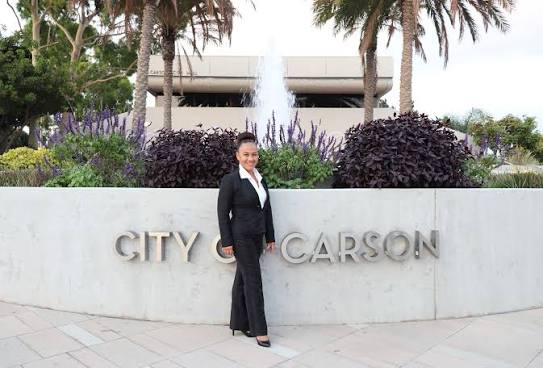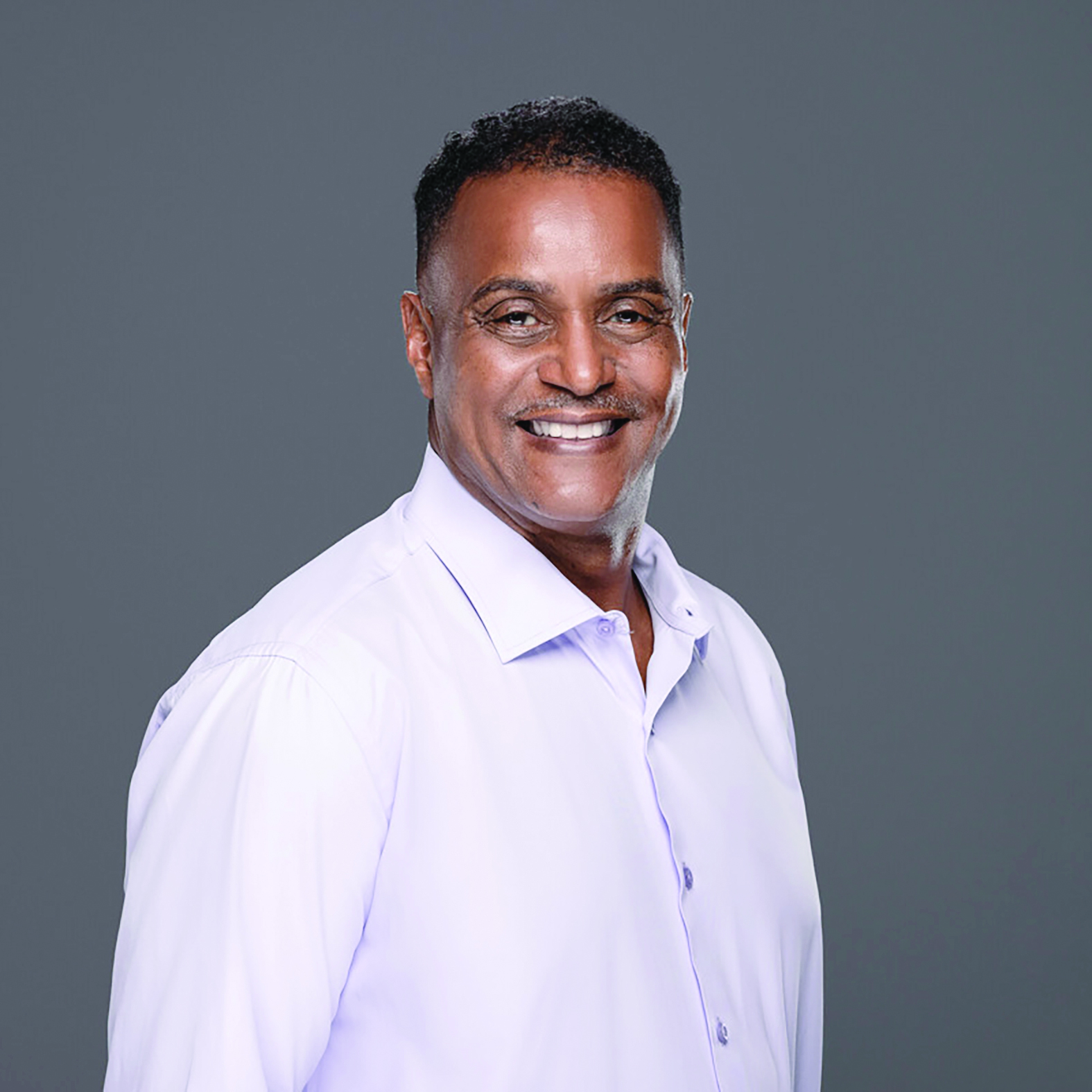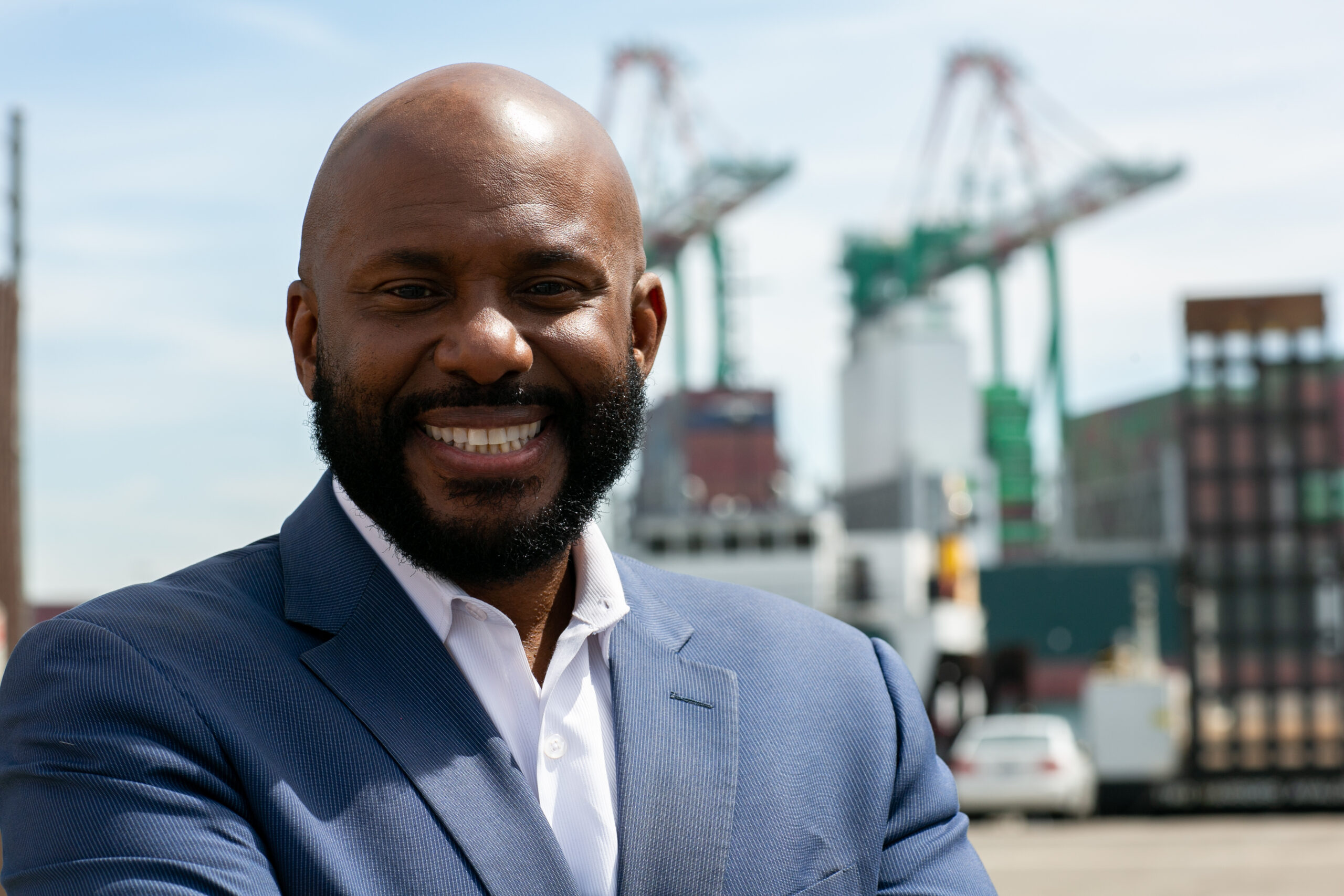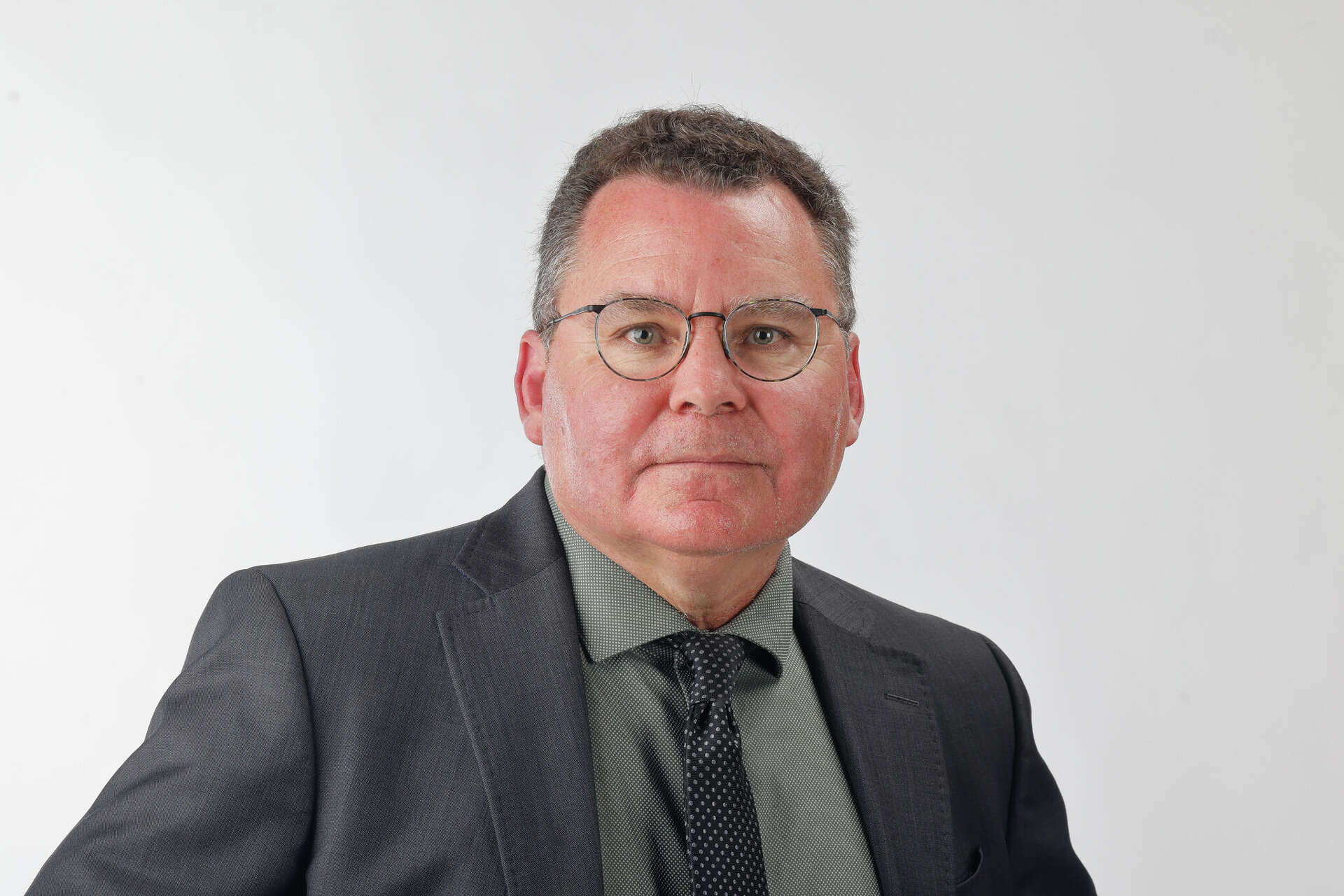
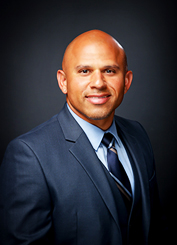
Assistant City Manager, Robert Lennox, ED.D
Editor’s Note: At The Carson Compass, we believe leadership is about more than policy—it’s about people.
Our Leadership Profile Series introduces the individuals shaping Carson’s future, highlighting their stories, values, and vision. Through these conversations, we invite you to understand what drives them and how they see our city evolving.
By bringing these perspectives forward, we aim to strengthen the connection between our community and those who lead it—while celebrating what makes Carson truly special.
Carson, CA — For Carson Assistant City Manager Robert Lennox, public service began not as a career plan, but as a personal response to tragedy.
Lennox said a series of life events, including the death of a sibling, shaped his desire to serve communities and influence outcomes in a positive way. At the time, he was in college and still determining his path. The experience led him to explore civic leadership and eventually find his way into community services and parks and recreation.
“One thing led to another, and I found a happy place,” Lennox said.
That early work in community services eventually evolved into a broader municipal leadership career, giving Lennox opportunities to take on greater responsibility and make a larger impact in the cities he served.
Today, as Carson’s assistant city manager, Lennox describes himself first as “a student of leadership.” His doctorate is in organizational change and leadership, and his leadership philosophy falls between servant leadership and transformational leadership.
“I believe in really supporting and propping up those who are in my purview,” Lennox said. “I’m more of a resource for them. Their successes are my successes and vice versa.”
Lennox emphasized humility and continuous growth as core to his leadership philosophy.
“I think a lot of the shortcomings of folks in higher positions are that they think they’ve arrived,” Lennox said. “And the reality is, you never fully arrive.”
He said effective leadership requires emotional intelligence and listening.
“Sometimes it’s better to keep your mouth shut and listen than it is to speak,” Lennox said.
As Carson continues to attract development and investment, Lennox said the city is at a critical point in its evolution.
He described Carson as a community with a strong economic foundation, but also one shaped by decades of environmental injustice. In recent years, he said, the city has begun to financially recover and position itself for long-term opportunity.
“I think Carson’s going through a bit of a Renaissance,” Lennox said. “When it comes to its infrastructure, its future, it’s at a moment now where it really can define its identity for the next 20 years.”
He said Carson’s location and available land position it well for future growth. But he emphasized that not all development is good development.
The goal, he said, is to attract projects that provide long-term value without sacrificing the character or identity of existing neighborhoods.
“If you get the right development, then you’re looking at sustained long-term growth,” Lennox said. “It’s finding the right type of project or projects that will carry the city for 20, 30 years down the road.”
He said the city also wants developers to be long-term partners, not companies that come in, build, sell and leave.
When evaluating development, Lennox said the city looks beyond immediate revenue. Jobs and affordable housing must also be part of the conversation.
“The city needs money. Every city needs money,” Lennox said. “But we want jobs and affordable housing.”
When resources are limited, Lennox said city staff makes recommendations to the City Council based on long-term planning, efficiency and stewardship of the city’s assets.
Those assets, he said, include employees, residents, parks, roads and public facilities.
“We’re going to safeguard our employees. We’re going to safeguard our community members,” Lennox said. “And then we’re going to safeguard the resources we currently own. We want to keep them in good repair.”
He compared the city’s responsibility to a household protecting what matters most: the home, the vehicle, the family and the things that support quality of life.
For Carson, that means investing in roads, parks, public spaces and services that strengthen neighborhoods and support residents and businesses.
One area where Lennox believes Carson excels is parks and recreation. Having started his career in that field, he said Carson’s commitment to programs for youth, families and seniors was one of the reasons he was drawn to the city.
“This city does something very effective,” Lennox said, pointing to its delivery of high-quality programs for children, families and seniors.
He credited city leaders with prioritizing services that are not always found at the same level in other cities, including scholarships, sports programs and senior services.
Lennox said workforce development begins inside City Hall. When he first stepped into his role, one of his early priorities was helping address labor contracts that had not been kept current. The city worked to complete negotiations and secure raises and cost-of-living increases for employees.
But workforce development also extends into the broader community.
Lennox said the City Council has made clear that it wants quality jobs in Carson. As new development projects come forward, city staff continues to negotiate community benefits tied to employment.
“Jobs, jobs, jobs, jobs,” Lennox said.
He said warehouses, for example, do not always produce strong job counts, especially if they are highly automated. Carson’s goal is to attract businesses that bring skilled labor and meaningful employment opportunities into the city.
The city also works with workforce partners, including the South Bay Workforce Investment Board, and supports job fairs and employment events that connect residents with career opportunities.
At the same time, Lennox said vacant warehouses remain an opportunity. The challenge is to convert those spaces into active employment centers rather than automated facilities with limited local job creation.
“How do we get those vacancies occupied, and what kind of occupancy are we really talking about?” Lennox said.
Lennox said community engagement is essential to shaping policies, projects and city operations.
Decision-making may seem easier without public feedback, he said, but without community input, cities risk missing what residents actually need.
“If they don’t get the feedback from the community, you could end up with a lot of unhappy folks,” Lennox said.
He pointed to park infrastructure projects such as Carriage Crest Park and Mills Park, where grant-funded improvements included robust community engagement. Residents were asked what they wanted to see and experience in those spaces before the projects moved forward.
The same principle applies to major development. Lennox referenced the Phillips 66 refinery decommissioning process in South Carson and said the company has already begun community engagement activities, with more expected.
He said staff has encouraged developers and corporations to meet with residents early, before projects move too far into the entitlement process.
“Get in front of the community first,” Lennox said.
For Lennox, that engagement is not only about project design. It is also about accountability. Residents want to know where the jobs are, what benefits will come to the community and how new development will affect their neighborhoods.
One common misconception, Lennox said, is that local government can move overnight.
“It has unfortunate red tape and bureaucracy to it,” he said.
But he explained that many of those processes exist to safeguard public resources and prevent mismanagement. While residents may want immediate action, cities must balance requests with legal, financial, environmental and safety considerations.
That is especially true in Carson, where much of the city’s land history includes former landfill sites and environmental challenges.
“We want to safeguard the health of our community,” Lennox said.
He said projects that may appear financially attractive today can create environmental risk later if city leaders are not careful.
When asked what transformational initiative he would like to accomplish during his time in Carson, Lennox pointed to civic understanding and informed participation.
He said Carson has a strong voting population, but the next step is making sure residents are informed about what they are voting on and how local government decisions affect them.
“Wonderful, you’re there. Now arm yourself,” Lennox said.
For Lennox, an informed community and informed elected body are critical to Carson’s next chapter.
He also sees Carson’s future identity tied to technology and digital access. Lennox said the city has an opportunity to brand itself as a “gig city” by investing in citywide fiber and helping close the digital divide.
That work, he said, is especially important for seniors on fixed incomes, residents below the poverty line and families who need reliable internet access for school, work and information.
“It’s bridging the technological divide and enhancing the digital literacy that has plagued every marginalized community since the advent of the internet,” Lennox said.
He acknowledged that Carson may be “late to the party,” but said the city is no longer waiting.
The goal is to provide affordable, reliable, high-bandwidth internet access that benefits both residents and businesses.
“Once that’s in place, then you’ve got some of these corporations who take notice and say, we want to be there,” Lennox said.
When asked what he hopes future generations will say about his contribution to Carson, Lennox pointed to one word: consistency.
He said friends and colleagues have often described him that way, and he sees consistency as central to his role alongside City Manager David Roberts.
“In this role, between myself and City Manager Roberts, our intention is to stay the course,” Lennox said.
That means helping keep city leadership focused on commitments already made to the community, even when new issues and distractions emerge.
Years from now, Lennox hopes residents will say the administration kept the city on task, protected public resources and made a meaningful difference.
“They were responsible with the city’s resources. They didn’t waste them,” Lennox said. “They made sure that they made a difference.”
He said staff must protect the city’s interests and guide policymakers.
“Our job, as stewards, is to ensure that we safeguard,” Lennox said. “We put up barriers, and then we inform our policymakers about what’s going on so that they can make decisions that reinforce that protection.”
As Carson continues to define its future, Lennox believes the city is on the cusp of something significant.
“We’ve got to know what we want to be when we grow up,” Lennox said.