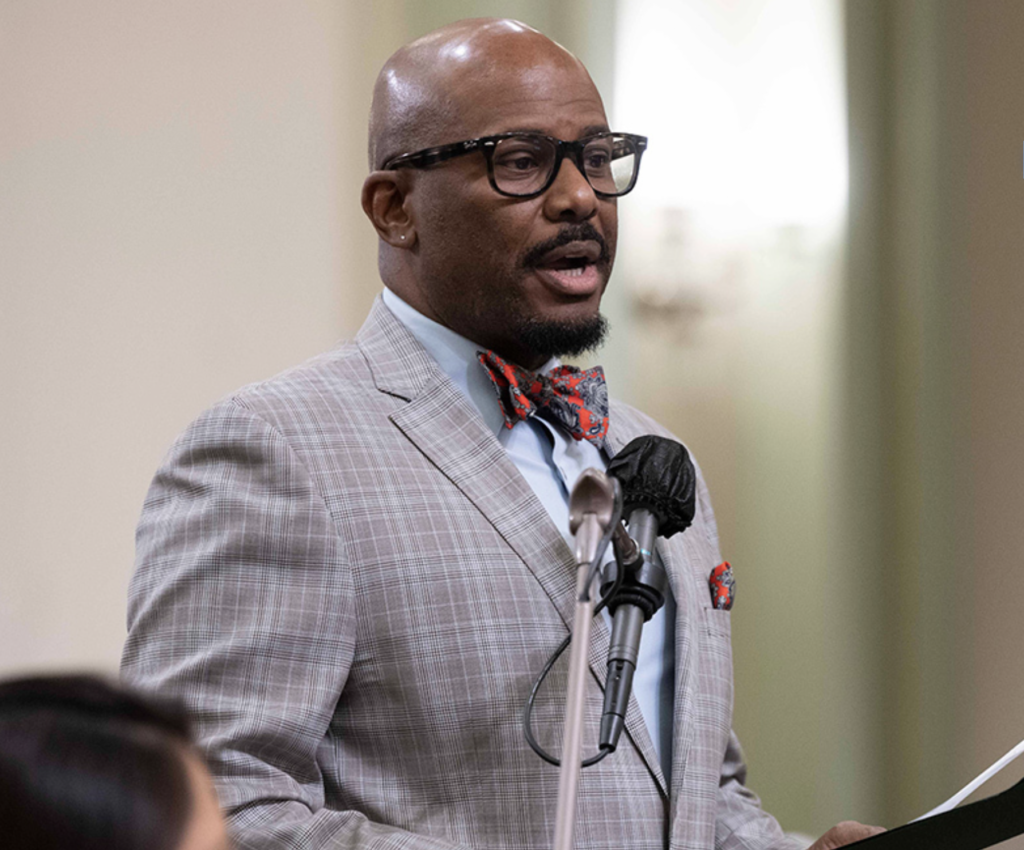
Carson, CA — Assemblymember Mike A. Gipson watched the hospital in Willowbrook close once, before he was ever elected. With the last bill he will author in the Legislature, he says he is making sure its successor doesn’t meet the same fate.
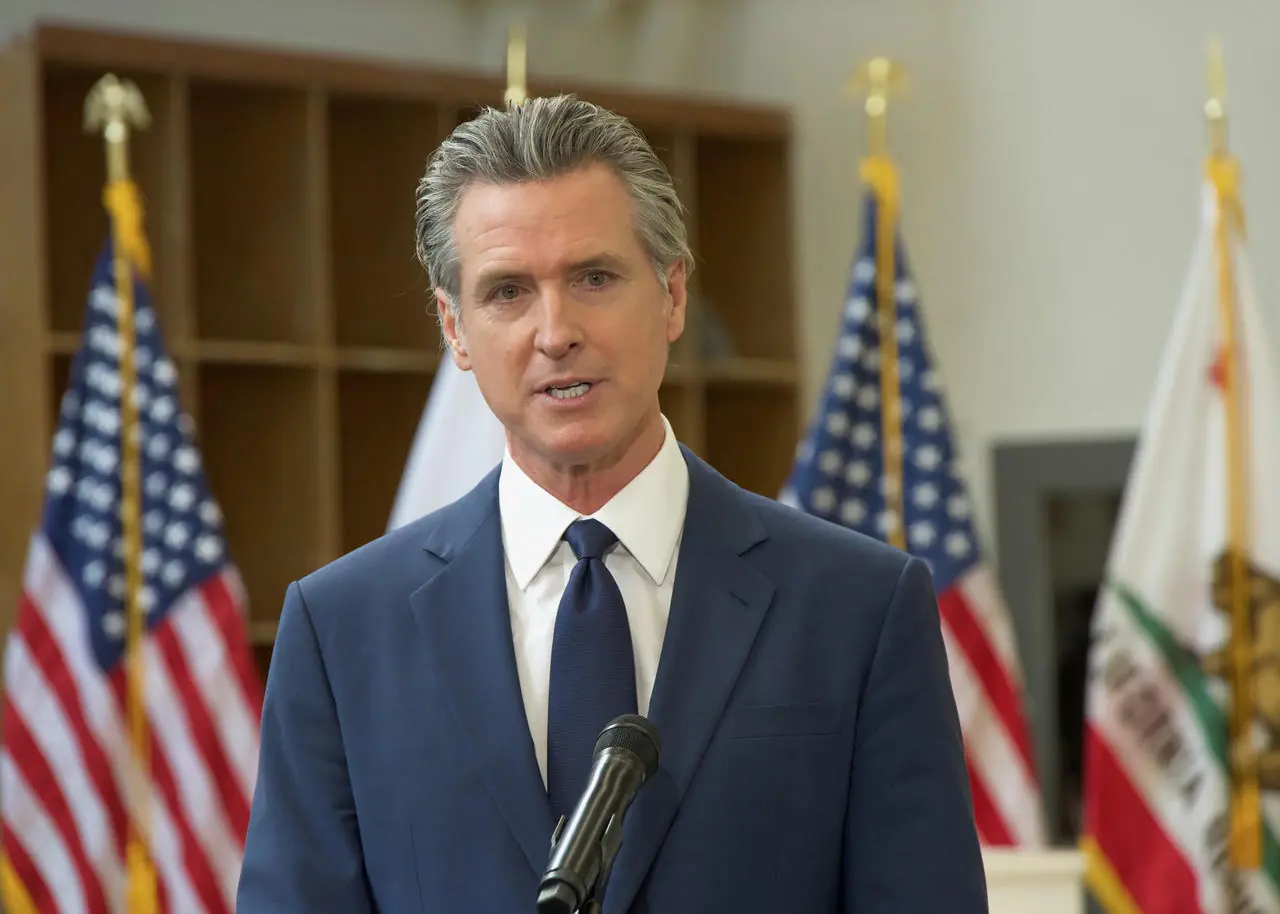
Gov. Gavin Newsom has signed Assembly Bill 2405, which requires that people placed on an involuntary psychiatric hold, known as a “5150,” be transported to the closest designated facility, measured by distance or travel time. The law takes effect Jan. 1, 2027.
The bill was sponsored by Martin Luther King Jr. Community Healthcare (MLKCH), the nonprofit hospital that has served Willowbrook, Watts, Compton and surrounding communities since 2015. Hospital leaders say patients on 5150 holds have been brought in from across the county, adding to an emergency room that already treats several times the patients it was built for.
“I’ll be damned if I will allow, on my watch, Martin Luther King Hospital to close,” Gipson, D-Carson, said in an interview with The Carson Compass, repeating what he told lawmakers in committee.
Gipson said people in crisis were being picked up in places like Santa Monica and Pasadena and driven 17 to 22 miles to MLKCH, past hospitals and facilities better equipped to care for them.
“Can you imagine taking a patient in Santa Monica or Pasadena, 22 miles or 17 miles away, and driving them clear across town, passing up other hospitals?” he said.
He said MLKCH documented more than 400 such patients from outside its area in a single month, a figure he cited during committee hearings.
MLKCH is not set up as a psychiatric hospital, Gipson said, but it does not turn patients away. Each of those patients took an emergency bed from someone else: “heart attack victims, gunshot victims, stroke victims, regular sick folks,” he said.
Gipson went further, calling the pattern “something sinister,” “methodically done and orchestrated to drain resources” from the hospital. He did not say who he believed was responsible or offer evidence.
Under the new law, if the closest facility is full, the patient goes to the next closest. Gipson said there are enough appropriate facilities across the region that no one should be bypassing them to reach MLKCH. He said residents who live near the hospital can still ask to be taken there.
According to MLKCH, its emergency department was designed with 29 treatment bays for about 25,000 patients a year. The hospital expects about 125,000 visits this year and says 5150 transports from other communities make up a significant share, often treated at a financial loss.
The pressure on MLK Community Healthcare is already visible beyond the walls of its emergency department. During periods of high demand, patients have been triaged and treated in temporary tents outside the hospital, including areas of the parking lot. Kaiser Permanente acknowledged the practice in an August announcement addressing conditions at the hospital. MLKCH also provides critical maternity and childbirth services to the surrounding South Los Angeles community, underscoring its importance in an area with limited access to hospital-based care. Concerns over potential reductions in federal Medicaid funding add another layer of uncertainty for a safety-net hospital already confronting significant capacity challenges.
AB 2405’s value, Gipson said, is in stopping the drain on the hospital’s resources. He expects MLKCH staff to see “a drastic decrease” in 5150 patients arriving from outside the region, which he said would also ease pressure on other hospitals nearby.
Gipson also pointed to Kaiser Permanente’s commitment, announced in August, of up to $32 million to expand MLKCH’s Hope Emergency Center. The package includes a $25 million charitable grant, the largest single gift in the hospital’s history, for a permanent expansion of the emergency department and a $7 million modular building that Kaiser will buy and loan to the hospital so patients can keep receiving emergency care during construction.
Gipson said he believes the gift followed the attention he and others brought to the hospital’s capacity. He said he would not take credit for it but noted how rare it is for one health system to make that kind of commitment to another.
“We help one hospital, it helps us all,” he said.
For Gipson, the fight is personal. The hospital that once stood on the same site saved his mother’s life when she had her first heart attack. “I have a responsibility to make sure that Martin King Hospital stands ready to save other mothers’ lives, other fathers’ lives, other children’s lives as well, because it’s the closest hospital,” he said.
“So many other lives were lost when that hospital closed the first time,” he said, “and we cannot afford to have any more lives lost.”
He said his family taught him that when you have responsibility, you use it wisely and do good with it, and that is why he chose this as his final bill. He said he will keep working to keep MLKCH’s doors open after he leaves office, “while breath is in my body.”
Gipson credited partners in that effort, including Los Angeles County Supervisor Holly J. Mitchell and state Sen. Laura Richardson, who he said secured $8 million for MLKCH in the state budget. He said he also secured funding for the state’s distressed hospital fund this year.
He said Dr. Ayanna Davis, frontrunner in the 65th Assembly District race, is committed to carrying the work forward “for generations to come” for Black and brown residents of the region.
MLKCH CEO Dr. Elaine Batchlor said in a statement that by ensuring people in behavioral health crises “receive timely care at the closest appropriate facility, this law will reduce the strain placed on MLK Community Healthcare and other overburdened safety-net emergency departments and reduce delays in care experienced by vulnerable patients.”
Whether the law delivers will show up in the numbers. Gipson said the measure of success is simple: fewer patients brought to MLKCH from outside the region, and more beds for the community the hospital was built to serve.
The Carson Compass will follow up with Gipson, MLKCH and county officials after the law takes effect in January.