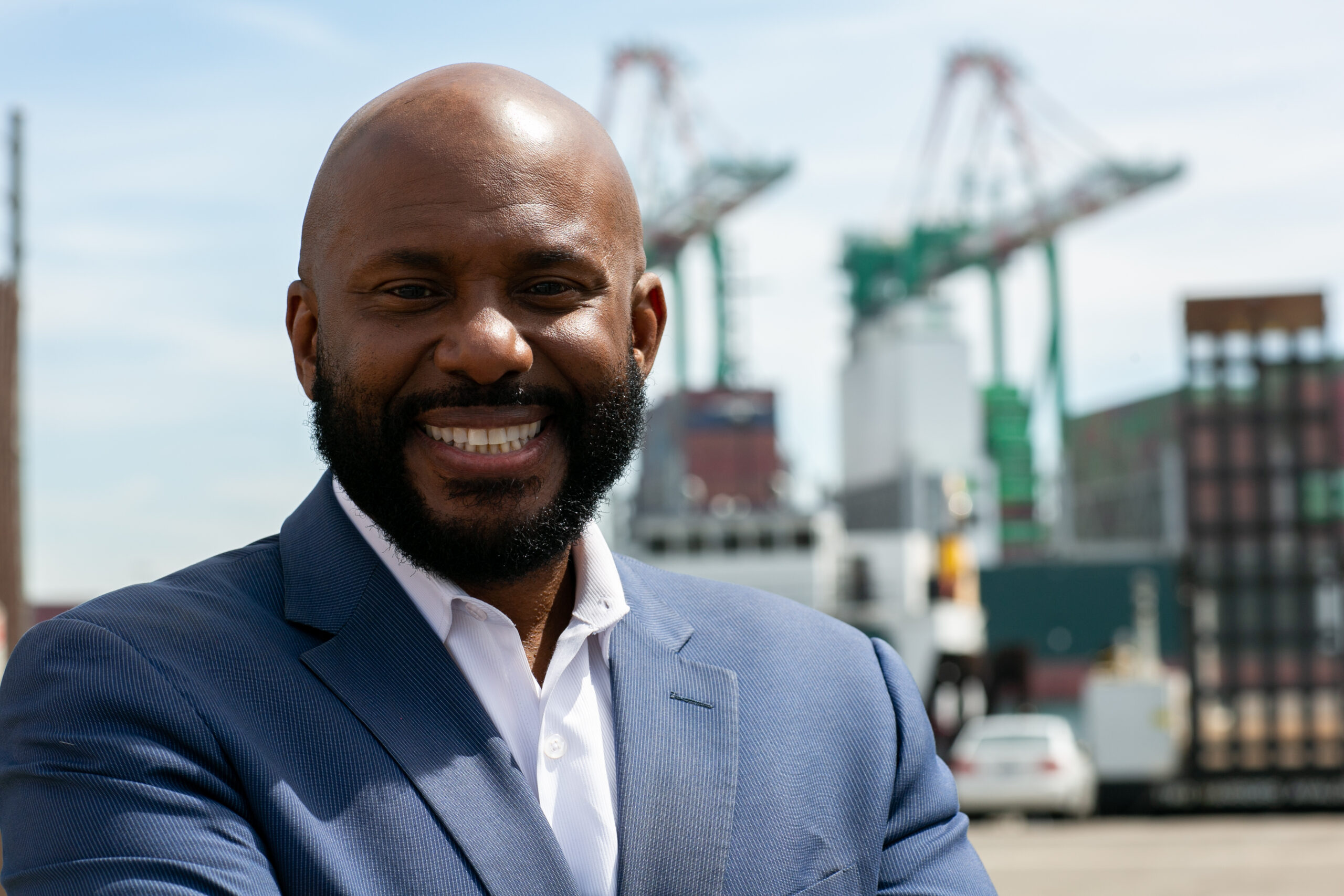
Derek Haksell, Carson City Council Candidate, District 2
As part of The Carson Compass’ Your Vote, Your Voice election coverage, the newspaper is introducing candidates seeking to represent Carson residents in the November 3 general election.
Derek Haskell is seeking a seat on the Carson City Council representing District 2. His campaign centers on public safety, economic opportunity, youth development, senior services and what he describes as a more responsive city government.
Haskell said he entered the race because he believes local government should remain closely connected to the everyday lives of residents.
“I am running for Carson City Council because I believe local government should be connected to the everyday lives of the people it serves,” Haskell said in his response to The Carson Compass candidate questionnaire.
Public Safety, Economic Opportunity and Youth
Haskell identified public safety, economic opportunity and investment in Carson’s young people as three interconnected priorities.
For Haskell, public safety includes creating neighborhoods where residents, seniors, businesses and young people feel secure. His economic agenda emphasizes supporting small businesses, attracting investment, developing Carson’s workforce and connecting residents with quality employment opportunities.
Youth development is also central to his campaign.
Haskell said he wants Carson youth to have greater access to education, mentorship, technology, sports, internships and career pathways.
“My approach is to connect these priorities rather than treat them separately,” he said. “Safe neighborhoods, economic opportunity, and youth development all contribute to a stronger Carson.”
A Community Action Plan
If elected, Haskell said his first major priority would be developing a community-focused action plan addressing public safety, youth and senior services, economic development and city responsiveness.
He said that process would begin with listening directly to District 2 residents and identifying immediate neighborhood concerns.
Haskell said he would then work with city staff to establish measurable goals and timelines.
His vision for youth opportunity includes connecting young residents with career pathways in fields such as technology, healthcare, aviation, hospitality, media, sports management, logistics and public service.
“My objective would be straightforward: identify problems, establish measurable goals, bring the appropriate partners together, and report progress back to residents,” he said.
Experience Working With Youth and Families
Haskell pointed to his experience working with young people and families as one of the strongest influences on his approach to public service.
Following Hurricane Katrina, Haskell said he worked with youth in New Orleans to help connect them with employment opportunities.
He later provided counseling support to children from military families in Pearl Harbor and worked as a counselor with young people in a juvenile justice facility.
Haskell also said he helped develop statewide youth initiatives in California, including the California Youth Medical Training Program, which focused on connecting young people with healthcare education and career opportunities.
He said those experiences taught him the importance of listening, building trust and forming partnerships.
“Working directly with youth and families has taught me to listen, build trust, create partnerships, and turn challenges into opportunities,” Haskell said.
Bringing City Hall Into the Neighborhoods
Haskell said residents should not have to wait until campaign season to interact with their elected representatives.
If elected, he said he would hold regular community meetings, use digital communications and conduct neighborhood outreach.
He also said councilmembers should spend more time meeting residents outside of City Hall.
That outreach, he said, should include homeowners, renters, seniors, young people, businesses, faith organizations and community groups.
Haskell said communication should also be paired with accountability.
“When residents raise an issue, they should know what happens next, which department is responsible, and what progress is being made toward resolving it,” he said.
Preparing Carson’s Next Generation
Asked what distinguishes his candidacy, Haskell again pointed to his focus on youth development.
He said he wants discussions about Carson’s next generation to be integrated into conversations about public safety, economic development, technology and workforce preparation.
Haskell said his approach would rely on partnerships between residents, businesses, schools, nonprofit organizations, faith communities and regional institutions.
His perspective as a father also shapes the way he views the city’s future.
“When I think about Carson’s future, I think about what kind of community our children will inherit,” Haskell said.
He said he wants young people growing up in Carson to have opportunities to build careers, start businesses, become homeowners, serve their community and eventually raise families in the city.
“Our responsibility is not simply to manage Carson today, but to prepare the next generation to lead Carson tomorrow,” he said.
Beyond the Ballot
Away from the campaign trail, Haskell listed Fosters as his favorite local business.
Asked for a phrase his family or friends would use to describe him, Haskell chose “faith driven.”
Several of the optional Beyond the Ballot questions — including favorite community event, coffee or tea, local place to visit and current book or show — were left unanswered in his questionnaire.
His Message to Voters
If elected, Haskell said he hopes residents will ultimately say that he “listened, showed up, brought people together, and delivered measurable results that made Carson a safer, stronger community with greater opportunities for the next generation.”
In his final message to voters, Haskell emphasized collective responsibility for the city’s future.
“Carson’s future belongs to all of us,” he said. “I am asking for the opportunity to serve, listen, and work alongside our residents to strengthen public safety, expand economic opportunity, support our seniors, and prepare our young people for the future. Together, we can build the next chapter of Carson.”