The 2028 Olympic and Paralympic Games are nearly two years away, but planning for how they will affect Carson’s traffic, neighborhoods and businesses is already underway.
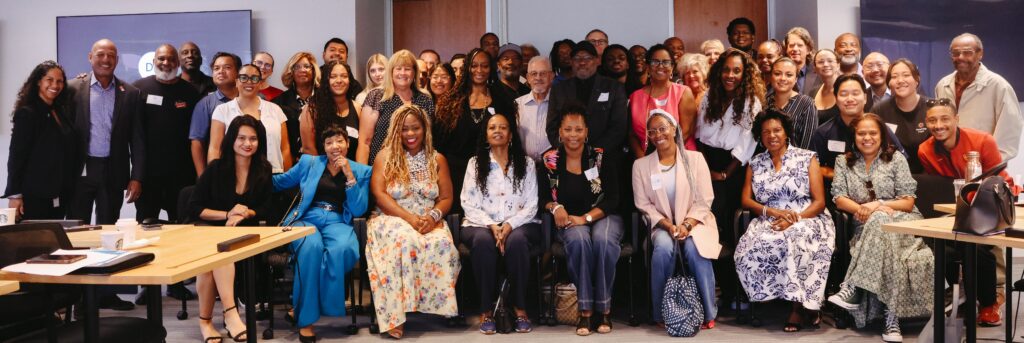
That was the message at a recent LA28 stakeholder convening Wednesday, October 7, 2026 at the LA28 Headquarters located downtown Los Angeles that brought together Carson community leaders, neighborhood representatives and business groups.
Few host communities will see as much competition as Carson. LA28’s venue plans place Olympic Rugby Sevens and Archery at Carson Stadium, Tennis at the Tennis Center, Hockey at temporary facilities built on the fields and Track Cycling at the Velodrome, all at the sports complex surrounding Dignity Health Sports Park. Paralympic Wheelchair Tennis, Para Archery and Para Cycling – Track will use the same facilities.
The Olympic Games run July 14-30, 2028, and the Paralympic Games August 15-27. Some Olympic competition begins before the opening ceremony, so Games activity will stretch across much of the summer.
Residents of University Heights, the neighborhood beside the complex, asked how they will get in and out of their homes on competition days.
LA28 officials said the Games are being planned as a transit-first event. There will be no public spectator parking at the Carson venue, and spectators will be strongly discouraged from driving there. Organizers are working with Metro, Caltrans and the City of Carson on transit service, remote transportation hubs and traffic management.
Officials said transportation planning has three goals: moving athletes and Games staff efficiently, carrying spectators and workers by public transit, and keeping Southern California running. That includes commutes, freight and deliveries, customer access to businesses and access to surrounding neighborhoods.
Officials acknowledged that venue-level plans are not finished and said community input will shape them as details firm up.
Officials described procurement goals of directing 75 percent of addressable spending to businesses in the region and 25 percent to small businesses. Contracting opportunities are posted on the Regional Alliance Marketplace for Procurement (RAMP), and response windows can be short. Officials advised businesses to register now, keep profiles and industry codes current and watch procurement forecasts so they are ready before bids open.
When a stakeholder asked how Carson businesses could compete when “local” covers the whole region, officials said the food and beverage program is organized geographically. They said they want Carson businesses telling Carson’s story, rather than outside vendors representing the city’s culture.
Stakeholders also asked how businesses would benefit if spectators are shuttled straight into and out of the complex. Officials said transportation planning aims to maintain, and possibly increase, business activity during the Games, and pointed to possible watch parties, fan events and community celebrations outside the venues.
The challenge for Carson will be making sure Games spending reaches local restaurants, shops and residents rather than simply passing through.
LA28 expects to need about 60,000 volunteers and is specifically seeking people from host communities. Applicants must be at least 18 when they apply and should expect about 10 nonconsecutive shifts during the Olympic and/or Paralympic Games. Volunteers will go through an application, assessment, placement and training process.
LA28 accessibility teams are reviewing accommodations across the Carson campus for spectators and families as well as athletes. One official described the approach as planning for the Paralympic Games first and building Olympic operations on top, rather than adding accessibility later. That matters in Carson, which hosts both. It will be the first time Los Angeles has hosted the Paralympics.
Carson hosted track cycling during the 1984 Olympics, and the sport returns in 2028. This time, the city’s role is bigger: more sports, both Games and greater economic stakes.
For residents, now is the time to ask about traffic, access and neighborhood impacts. For businesses, it is the time to register on RAMP and prepare. For community organizations, it is the time to plan how their members can take part.
The world arrives in 2028. What Carson does between now and then will decide how much of the city visitors see, and how much of the benefit stays after the final medal is awarded.