
Carson, CA —Carson residents are being urged to limit outdoor activity, remain hydrated and take advantage of air-conditioned public facilities as an extended period of unusually hot weather moves across Southern California.
The National Weather Service issued a Heat Advisory for Carson beginning Wednesday, July 22, and continuing through 8 p.m. Monday, July 27. Hot daytime temperatures and warm nights are expected to increase the risk of heat-related illness, particularly for residents without reliable air conditioning.
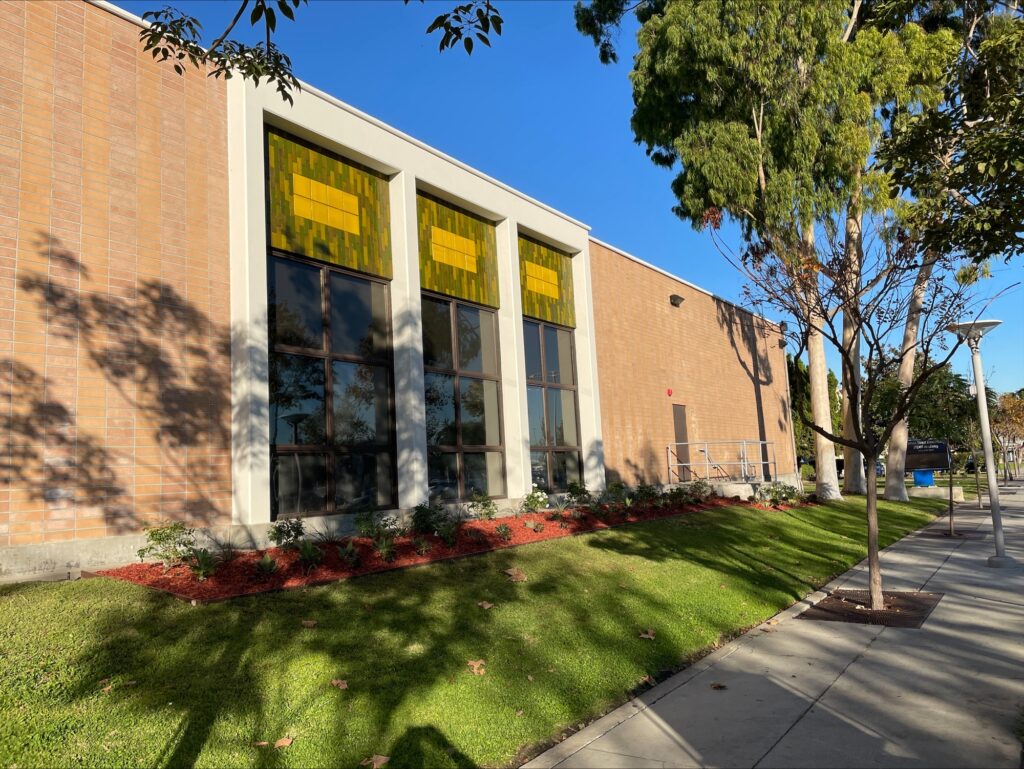
The Carson Library, located at 151 E. Carson Street, is available as a place for residents to escape the heat during its regular operating hours. The air-conditioned facility is open Tuesday and Wednesday from noon to 8 p.m. and Thursday through Saturday from 10 a.m. to 6 p.m. It is closed Sunday and Monday.
Residents are encouraged to call the Carson Library at 310-830-0901 before visiting to confirm its hours. The Dr. Martin Luther King Jr. Library on South Avalon Boulevard is temporarily closed and should not be considered a cooling option during the current heat advisory.
Additional cooling-center locations can be found through Los Angeles County’s online locator at Ready LA County or by calling 211. Locations and operating hours can change according to weather conditions, so residents should verify the information before traveling.
Public health officials recommend taking the following precautions:
- Avoid the sun: Stay indoors between 10 a.m. and 3 p.m., when the sun’s rays are strongest.
- Drink plenty of fluids: During periods of excessive heat, drink two to four glasses of water every hour, especially when working or exercising outside.
- Replace salt and minerals: Sweating removes salt and other minerals from the body. Low-sugar fruit juices or sports drinks can help replenish those nutrients during exercise or outdoor work. People with health conditions that require them to limit salt should first consult a medical professional.
- Avoid alcohol: Alcohol can contribute to dehydration. Drinking alcohol within 24 hours of working in the heat may increase the risk of heat-related illness.
- Pace yourself: Reduce physical activity and avoid strenuous outdoor exercise during the hottest part of the day. Anyone who must work outdoors should take frequent breaks in a shaded or air-conditioned location.
- Dress for the weather: Wear a wide-brimmed hat and lightweight, loose-fitting, light-colored clothing while outdoors.
- Stay cool indoors: Set air conditioning between 75 and 80 degrees when possible. Residents without air conditioning can take cool showers and visit the Carson Library or another air-conditioned public facility.
- Check on vulnerable residents: Older adults, infants and children up to age 4, outdoor workers and people who overexert themselves are among those at greatest risk. Residents should check on elderly neighbors, relatives and friends who live alone or do not have air conditioning.
- Use sunscreen: Apply sunscreen with a sun protection factor of at least 15 when spending time outside.
- Protect pets: Keep pets indoors when possible. Animals kept outside should have constant access to fresh water and shade. Never leave a pet inside a parked vehicle, even with a window cracked or open.
Warning signs of heat exhaustion can include heavy sweating, dizziness, weakness, nausea, headache or fainting. Confusion, loss of consciousness, an extremely high body temperature or a rapid pulse may indicate heat stroke, which is a medical emergency. Residents should call 911 immediately if heat stroke is suspected.
The prolonged heat is also contributing to increased wildfire concerns as dry vegetation becomes more vulnerable to ignition.
Gov. Gavin Newsom announced California’s 2026 “One Less Spark” public awareness campaign July 15. The statewide initiative asks Californians to take greater care while driving, using outdoor equipment and working near dry vegetation.
State officials estimate that human activity causes approximately 95% of California wildfires.
“One less spark means one less wildfire, and every Californian can play a role in preventing them,” Newsom said. “We’re asking all residents to take prevention steps seriously.”
The campaign includes digital, radio and billboard advertising in wildfire-prone areas across Northern and Southern California. CAL FIRE has also created a toolkit that local governments, fire departments and community organizations can use to distribute prevention information.
Although Carson is more urbanized than many of California’s highest-risk wildfire areas, the safety measures remain important for residents who maintain property or travel to locations with dry grass and brush.
CAL FIRE recommends mowing lawns before 10 a.m., securing trailer chains so they do not drag along roadways and create sparks, and never parking a vehicle on dry grass. Residents should also use power tools carefully near vegetation and obtain required permits before burning debris.
“CAL FIRE is committed to helping Californians understand that one less spark means one less wildfire,” CAL FIRE Director and Fire Chief Joe Tyler said. “As a state, we must work together to reduce the number of wildfires started each year by changing behaviors, increasing awareness and taking simple actions that prevent ignitions.”
California has accelerated more than 400 wildfire-prevention projects covering nearly 100,000 acres, according to the governor’s office. The state has also made more than $100 million available this year for wildfire-prevention grants, including community-led projects and forest-resilience efforts.
CAL FIRE’s workforce has grown from 5,829 positions in 2019 to more than 11,400. The agency has also expanded its use of drones, satellite monitoring, advanced fire mapping and artificial-intelligence-powered detection systems.
For Carson residents, officials say the immediate priorities are to stay cool, drink water regularly, check on vulnerable neighbors and avoid activities that could produce sparks near dry vegetation.
Current conditions are available through the National Weather Service’s Carson forecast. Information about the Carson Library is available through LA County Library.