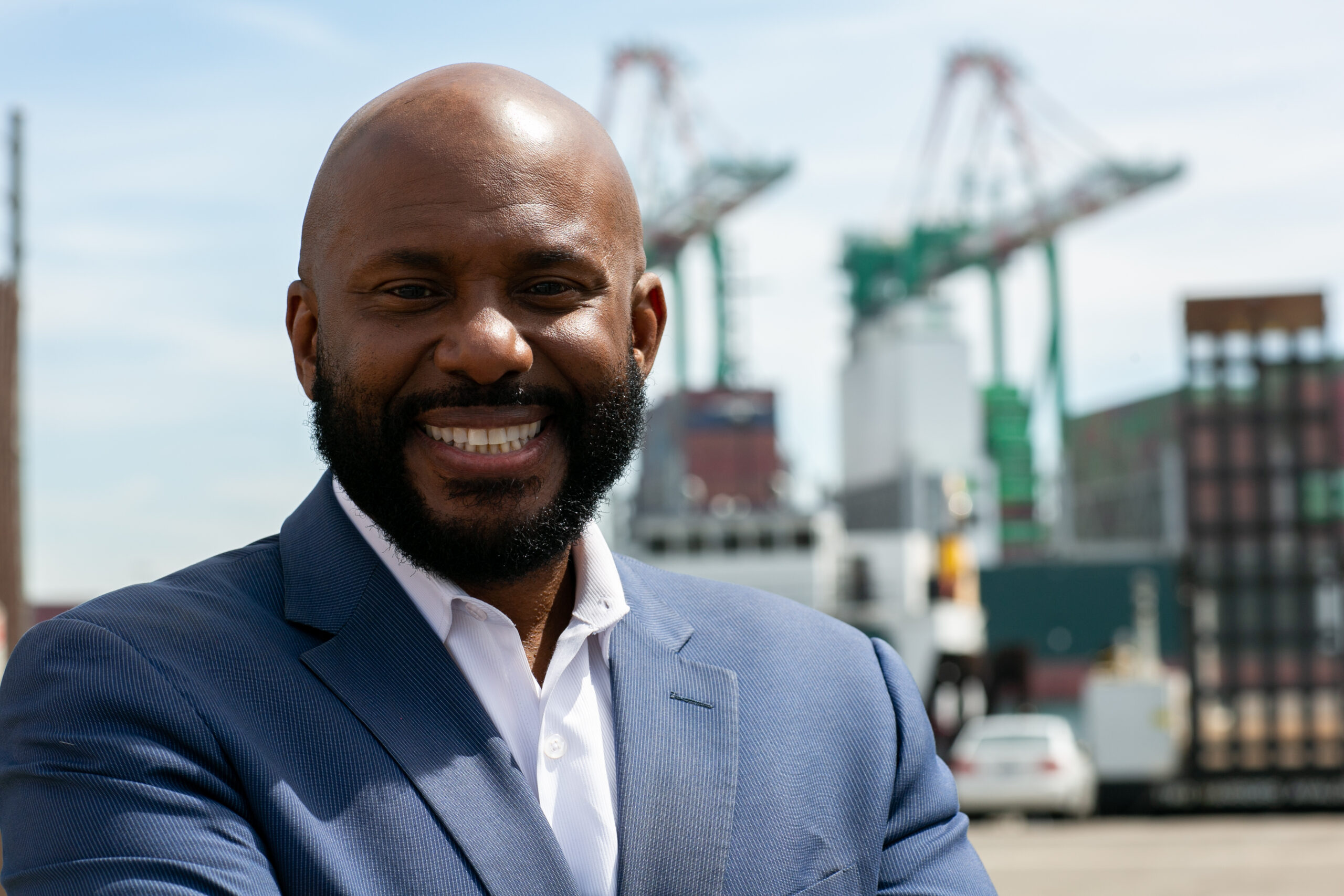

Michael Whittiker Jr., Director of Community Services, Recreation, and Park Maintenance, City of Carson, CA
Editor’s Note: At The Carson Compass, we believe leadership is about more than policy—it’s about people.
Our Leadership Profile Series introduces the individuals shaping Carson’s future, highlighting their stories, values, and vision. Through these conversations, we invite you to understand what drives them and how they see our city evolving.
By bringing these perspectives forward, we aim to strengthen the connection between our community and those who lead it—while celebrating what makes Carson truly special.
Carson, CA — For Michael Whittiker Jr., working for the City of Carson has never been simply a job. It has been a lifelong journey of service, growth and community connection that began when he was just 14 years old.
Raised and educated in Carson, Whittiker attended Dominguez High School and secured his first city job in 1987 through Carson’s Summer Youth Employment Program—an opportunity the city continues to offer young people today.
“I did it for one summer and loved it,” Whittiker recalled. “I found out they were going to pay me to play with children. I was like the big cousin.”
The role felt natural. Whittiker enjoyed basketball, football, baseball and other competitive activities, particularly with older children. He played college basketball at Compton Community College, where he earned an associate degree in general education, and later at California State University, Dominguez Hills. He earned his Bachelor of Arts degree in sociology from CSUDH, with a concentration in the family studies.
Throughout his college years, Whittiker continued working for the City of Carson. After graduation, he began viewing recreation and public service as more than temporary employment.
“I thought, ‘Maybe this is something I need to look at long term,’” he said.
That decision led to a 21-year tenure at Anderson Park and, over time, increasing responsibility for larger programs, projects and teams. Now, after 39 years with the city, Whittiker serves as director of Carson’s Department of Community Services, Recreation and Park Maintenance.
His connection to Carson extends beyond his career. Whittiker has lived in the city throughout his adult life and raised his children there, making his service both professional and deeply personal.
Whittiker steadily advanced through the city’s ranks after beginning as a summer youth worker. Along the way, he developed extensive experience in recreation, social services, youth development and citywide programming.
Before becoming director, Whittiker served as Human Services Manager. In March 2020, he was selected to lead Carson’s COVID-19 Task Force, which coordinated the city’s response to the pandemic and worked to ensure vulnerable residents received the information and resources they needed.
He was appointed acting director of Community Services, Parks and Recreation in December 2021 before being formally appointed director in March 2022.
Today, Whittiker oversees four divisions and more than 450 employees, along with an unusually active calendar of community programming. While some cities may host only a handful of signature events each year, Whittiker said Carson produces approximately 40 to 50.
He describes himself as the “maestro” who helps bring all the moving pieces together, but he is quick to redirect recognition to the employees doing the daily work.
“I introduce people to the boots on the ground who are actually doing the work,” he said. “I don’t like to say people work under me. I like to say they work beside me because we do a lot of what we do together.”
Becoming a department director was not originally part of Whittiker’s plan. He had expected to retire at age 50 after serving as a community center manager. But he believed Carson needed a leader who understood not only municipal operations, but also the city’s people, neighborhoods and culture.
“I’ve been here. I know this. I understand this,” he said. “I know the people. I know the employees. I know the places, the streets and the markets.”
That familiarity shapes his resident-first leadership philosophy. Whittiker views parks as extensions of the community’s homes and believes residents should receive the same consideration and protection he would provide his own family.
Safety is central to that responsibility. If playground equipment or another park feature is broken, he said he will close the affected area until it is safe. When challenges arise within the community, he is also willing to speak directly with residents, including young people who may need guidance about how their choices affect others.
“If I keep them safe, then I can keep them around,” Whittiker said. “If I keep them around, they’ll grow up, become better people and be prosperous. Then they can turn around, come full circle and help somebody else.”
Whittiker said Carson uses resident input to determine which programs, services and park improvements should receive priority. The city developed a parks master plan after conducting surveys and town halls at parks throughout Carson, with an outside company helping gather and organize the findings.
The resulting data gives the department a clear record of what residents have requested and allows those priorities to help guide recommendations presented to city leaders.
“If I have a piece of paper saying the community has already spoken and stated that this is what they would like to have, then that changes things,” he explained.
Whittiker has also worked to streamline the way Carson’s parks are maintained. Recreation staff previously had to contact another department when maintenance work was needed. After becoming director, he agreed to bring park maintenance into his department, placing programming and grounds maintenance under the same leadership.
The shift allows problems to be addressed more quickly and gives the department greater control over park conditions.
During Whittiker’s approximately four and a half years as director, six parks have been renovated. At one point, three parks were closed simultaneously for construction, but programs were relocated, employees were reassigned, and no one lost a job.
“We kept all of our programs,” he said. “They just might have been run out of a different site.”
Whittiker affectionately describes Carson’s programming as serving residents “from diapers to diapers”—from infants through older adulthood.
Approximately 85% of the city’s programs are free, he said, reflecting Carson’s commitment to reinvesting public resources in residents. The city operates its own youth soccer, baseball, basketball and flag football leagues, along with adult sports programs and a boxing center serving children and adults.
Carson’s offerings also attract families from beyond its borders. Whittiker estimates that 20% to 25% of program participants live outside the city, in part because comparable programs are not always available in neighboring communities.
But recreation, he emphasized, is about far more than sports.
Through partnerships with California State University, Dominguez Hills, Carson offers robotics and STEM instruction for children. Nursing students also complete internships supporting services for seniors at the city’s stroke center.
The department provides enrichment programs in singing, dancing and acting, helping fill gaps created as arts and practical education have disappeared from many schools. Other initiatives teach young people communication, etiquette, leadership and everyday life skills.
“If you don’t know, you don’t know,” Whittiker said. “It is our job to fill that gap and try to help.”
Whittiker’s commitment to young people extends beyond his official city responsibilities. Throughout his career, he has volunteered as a coach for young men and women and mentored teenagers through Hands Without Guns, a program serving at-risk youth.
He has also helped organize and host major citywide events, including Carson’s Jazz Festival and Philippine Independence Day celebration.
One of the department’s signature youth initiatives introduces approximately 700 Black students from the Los Angeles Unified School District to Historically Black Colleges and Universities. The annual experience features representatives from HBCUs, student performances, food and cultural programming intended to expand young people’s sense of what is possible.
Whittiker believes exposure can change the direction of a child’s life. Parks and community centers can become part of the village many families are searching for—a place where children encounter trusted adults, new experiences and positive expectations.
“Not only are you able to help people who are in need, but you also help people who are searching for leadership and a different direction,” he said.
Whittiker now regularly encounters adults who participated in his programs 25 or 30 years ago. Many return with children of their own.
That multigenerational connection, he said, is one of the greatest rewards of his career.
“There isn’t a program within this city that I haven’t been a part of,” he said. “Going through the process, meeting all the different people and families, and now seeing someone from years ago bringing me their children—that is the warm feeling you get when you work with community.”
Whittiker measures accomplishment less by titles than by residents’ responses. When a family attends a Juneteenth celebration, picnic or neighborhood program and leaves feeling safe, joyful and connected, he considers the event successful.
He described Carson’s recent Juneteenth celebration at Anderson Park as one of his best events in years. Whittiker was able to sit on the grass, laugh with his family and watch his team carry out the event without interruption.
For a leader accustomed to overseeing every detail, that moment represented both community joy and confidence in the people he has helped prepare.
When asked what he hopes his leadership legacy will be, Whittiker did not point to a particular renovation, program or event.
“My legacy is not about me,” he said. “My legacy is more about the people who I’ve worked with and who have worked for me—and what they have become from the experiences they’ve gotten from me.”
Whittiker believes a leader should be able to look back and see that others have advanced, accepted greater responsibility and learned how to serve residents with patience and respect.
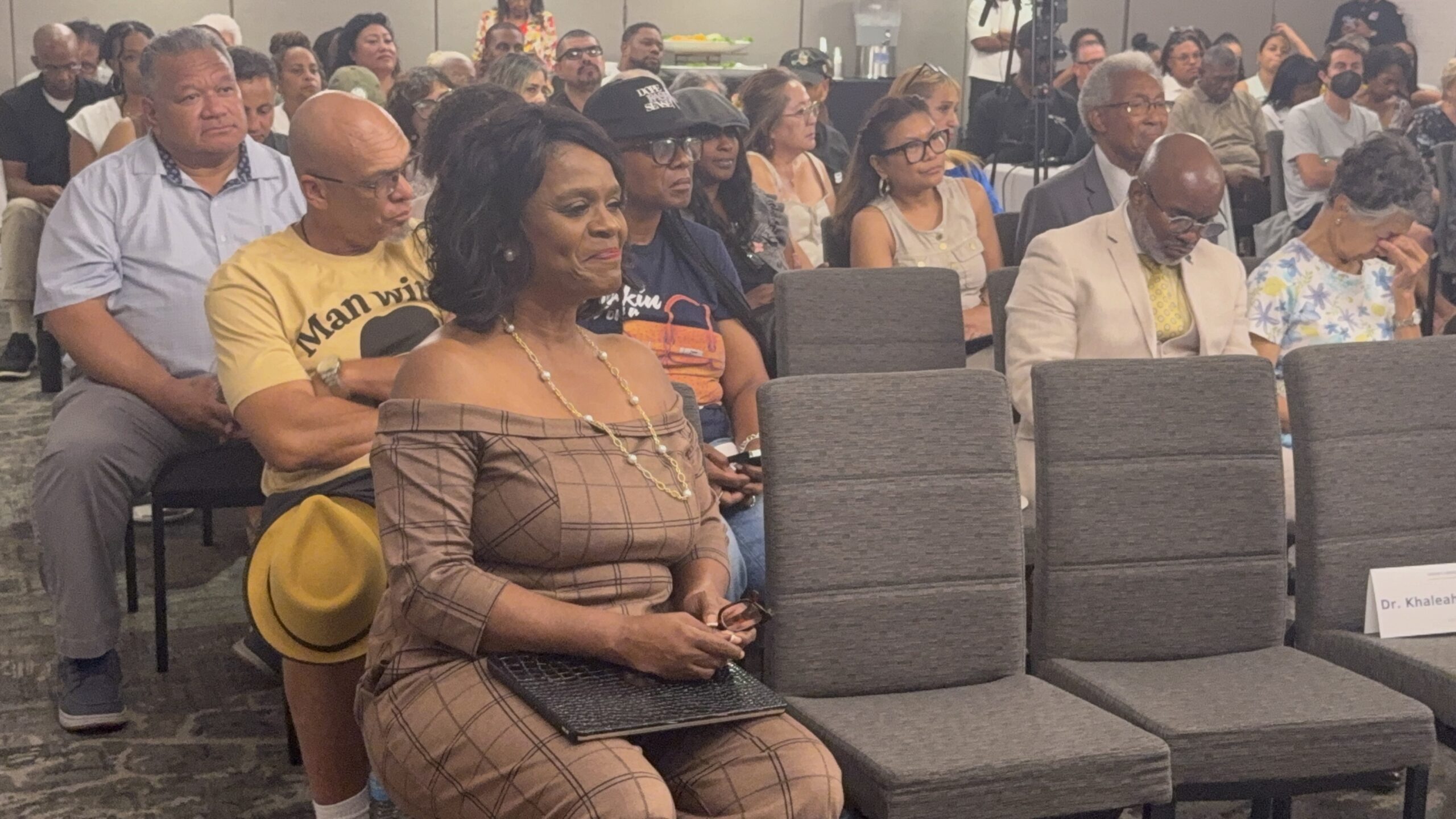
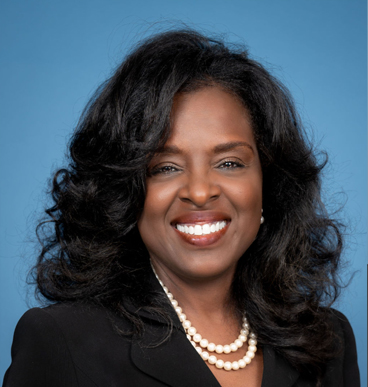
His own path was shaped by leaders who invested in him. Carson Mayor Lula Davis-Holmes and Mayor Pro Tem Jawane Hilton previously served in parks and recreation leadership roles and were among Whittiker’s former supervisors. He listened, learned and rose through the ranks. He now considers it his responsibility to extend the same opportunity to others.
“When I can help raise them up so they can reach down, grab somebody else and pull them up—that is my true legacy,” he said.
For the 14-year-old summer worker who grew into one of Carson’s senior leaders, the mission has remained remarkably consistent: help people, keep them safe and create opportunities for them to become more than they may have imagined.
“The people and the programs helped shape me,” Whittiker said. “I grew up at this job. It grabbed hold of me, changed my life and helped me grow up.”