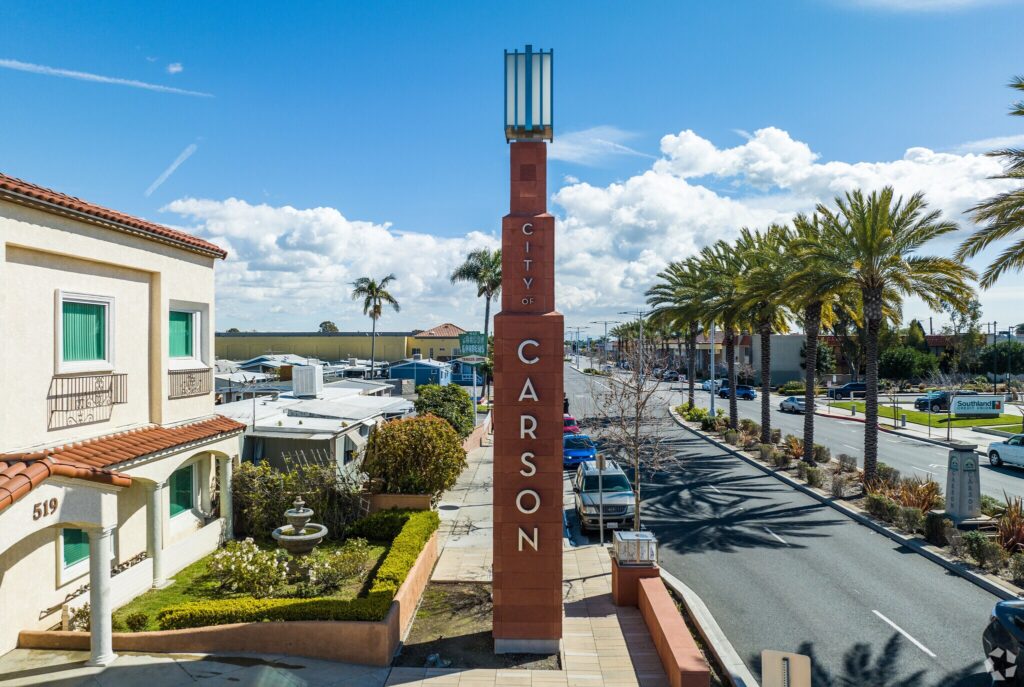
Carson, CA — Carson voters will weigh three city-backed ballot measures in the Nov. 3 general municipal election after the City Council voted Tuesday to place proposals involving an oil refinery business license tax, city charter amendments and a non-binding advisory question on school district reorganization before the electorate.
The Aug. 4 meeting also featured debate over a controversial residential permit parking program near Mills Park, while the council continued consideration of proposed updates to job classifications for council aides and senior council aides after staff requested additional revisions.
The evening’s longest and most contentious discussion centered on a proposal to ask voters whether the city should be authorized to impose a business license tax of up to $1 per barrel of feedstock refined within Carson.
According to the staff report presented during the meeting, the proposed excise tax would be deposited into the city’s general fund and could be used for any general governmental purpose if approved by voters. City officials emphasized that Tuesday’s action did not establish the tax itself but instead placed the question on the November ballot.
The proposal drew more than two dozen public speakers, with refinery workers, labor organizations, business groups and industry representatives overwhelmingly urging the council not to advance the measure.
Louis Diaz, a Carson resident and representative of the Teamsters, argued the proposal would harm refinery workers throughout the region.
“This would be a detriment to the labor workforce, both represented and unrepresented workers not only here in the City of Carson but throughout the region,” Diaz told the council.
Patty Senecal of the Western States Petroleum Association warned the tax could have consequences beyond Carson.
“This measure could have cascading consequences, higher costs at the fuel pump for everyday drivers, undermine the security of our entire state’s fuel supply and significantly damage our local economy,” she said.
Several union representatives echoed concerns that additional local taxation could accelerate refinery closures similar to those announced elsewhere in California, while Chamber of Commerce representatives questioned whether the city had adequately evaluated the broader economic impacts.
Supporters argued the measure would simply allow voters to determine whether one of Carson’s largest industries should contribute additional revenue toward city services.
Resident Diane Thomas urged the council to move forward, saying oil companies had reported billions in profits while residents continued paying high fuel prices.
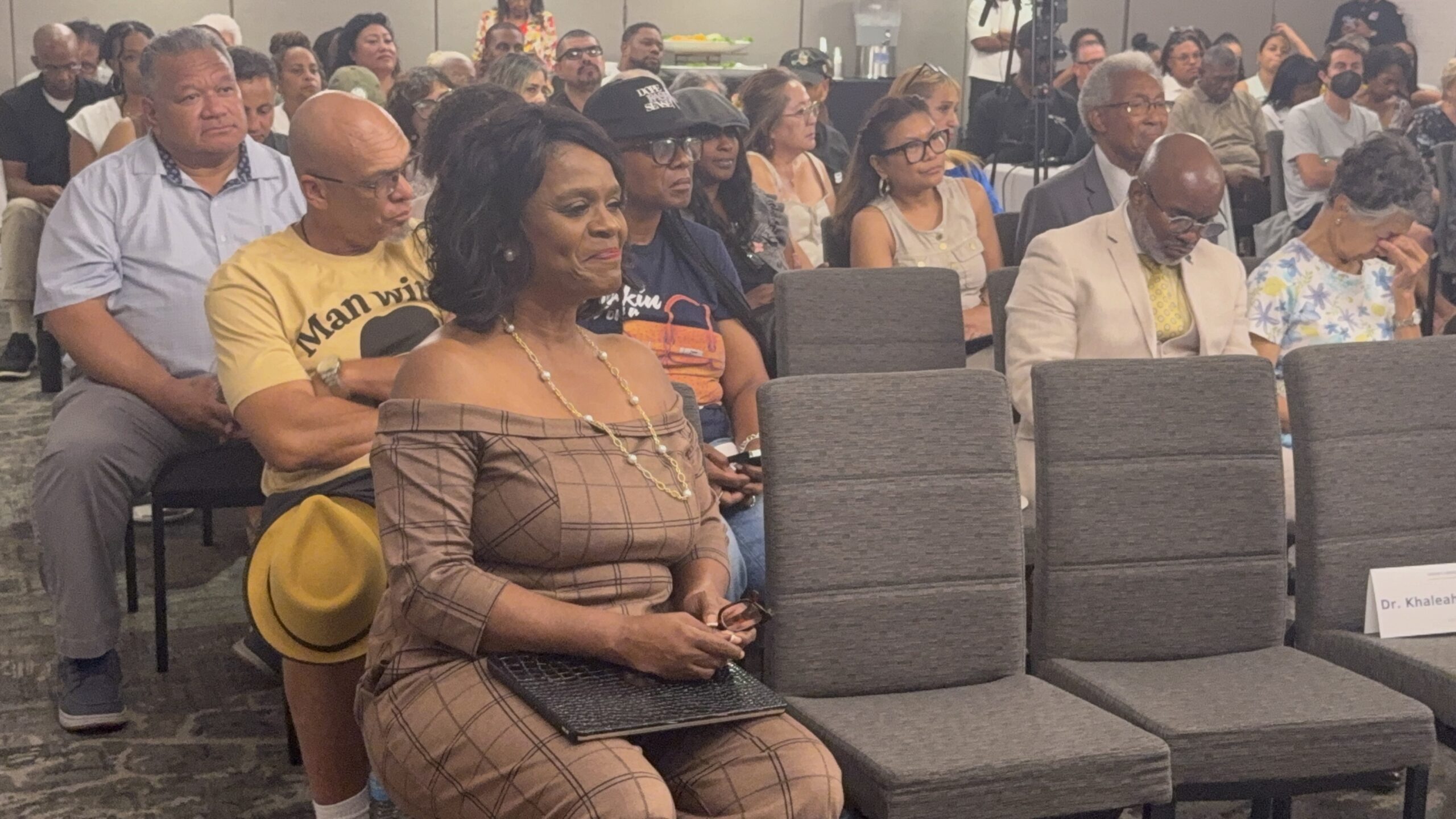
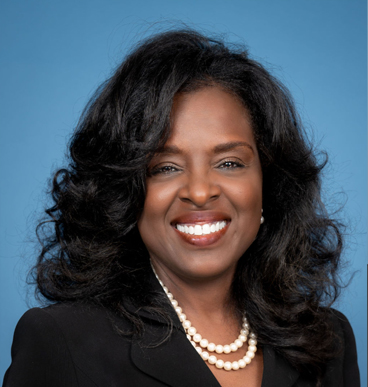
Mayor Lula Davis-Holmes defended the proposal by pointing to what she described as approximately $159 million in unfunded city infrastructure needs, including street rehabilitation, tree maintenance and technology improvements.
She argued Carson residents should have the opportunity to decide whether the refinery should help fund those projects.
“I was elected by the residents of the City of Carson to make sure that their needs are met,” Davis-Holmes said, adding that the proposal would ultimately be decided by voters rather than the council itself.
Councilmember Jawane Hilton also supported placing the measure on the ballot, describing it as a continuation of earlier efforts to ensure Marathon Petroleum “pays their fair share.”
He referenced a previous oil tax approved by Carson voters that later became the subject of litigation, arguing the new measure would again allow residents to determine the issue at the ballot box.
Councilmember Jim Dear cast the lone dissenting vote after questioning city staff’s use of Marathon Petroleum’s national revenue figures during the presentation.
Dear warned that additional local taxation could encourage refinery operators to reduce or cease California operations, potentially eliminating jobs and future tax revenue.
Following debate, the council voted 4-1 to adopt the resolutions necessary to place the proposed oil refinery business license tax before Carson voters in November, with Dear voting no.
The council then turned to a proposed charter amendment measure. Assistant City Attorney Michael George described the proposal as largely consisting of technical cleanup revisions, including removing or modifying charter references relating to term limits and updating ballot language to comply with state Elections Code requirements.
After receiving a summary of the revisions distributed before the vote, the council approved the measure for the November ballot on another 4-1 vote, with Dear again dissenting.
The council’s third election measure generated another discussion as members voted to place a non-binding advisory question regarding school district formation or reorganization before Carson voters.
The proposal asks residents whether the city should explore removing Carson from the Los Angeles Unified School District and, if feasible, either creating a new K-12 unified school district serving Carson or seeking annexation into another nearby school district.
City officials repeatedly emphasized that the measure is advisory only and would not itself alter school district boundaries or governance.
Before the item returned for council discussion, educators, parents and union representatives urged the council not to proceed. Several speakers argued Los Angeles Unified has become more responsive through its community-of-schools model and warned that reorganizing district boundaries could create uncertainty for students, employees and families.
Parent volunteer Alicia Balthazar criticized the timing of the proposal, saying the community deserved more input before the issue reached the ballot.
“We really wish that you guys would postpone your vote today to hear from the Carson community, hear from our teachers, hear from our students and hear from our parents,” Balthazar said.
United Teachers Los Angeles members Brian Sodega and Monica Caballero also opposed the proposal, arguing there was no evidence a district reorganization would improve educational outcomes and noting that LAUSD had already adopted plans to address its financial challenges.
After discussion, the council did not approve this resolution. This exploratory measure will not make it on the November ballot.
Another heavily attended discussion was over the future of Preferential Permit Parking Zone “I” near Mills Park.
Some residents argued the permit program helped address crime, overnight vehicle parking and visibility issues near the park, while others said the original petition process had not reflected the wishes of the broader neighborhood and asked the council to repeal the restrictions.
Resident Diane Thomas encouraged neighbors to move beyond the disagreement regardless of the council’s decision.
“We need to hold meetings so that we can come up with solutions that will benefit everyone in the community,” Thomas said. “Because it’s a wonderful community, but we do have problems.”
Council members ultimately agreed the issue should be revisited through additional community outreach rather than leaving the existing permit zone in place.
During discussion, Davis-Holmes said there were enough votes to rescind the current program and “start from scratch,” while Councilmember Cedric Hicks suggested returning to the neighborhood’s original request as part of a new public process.