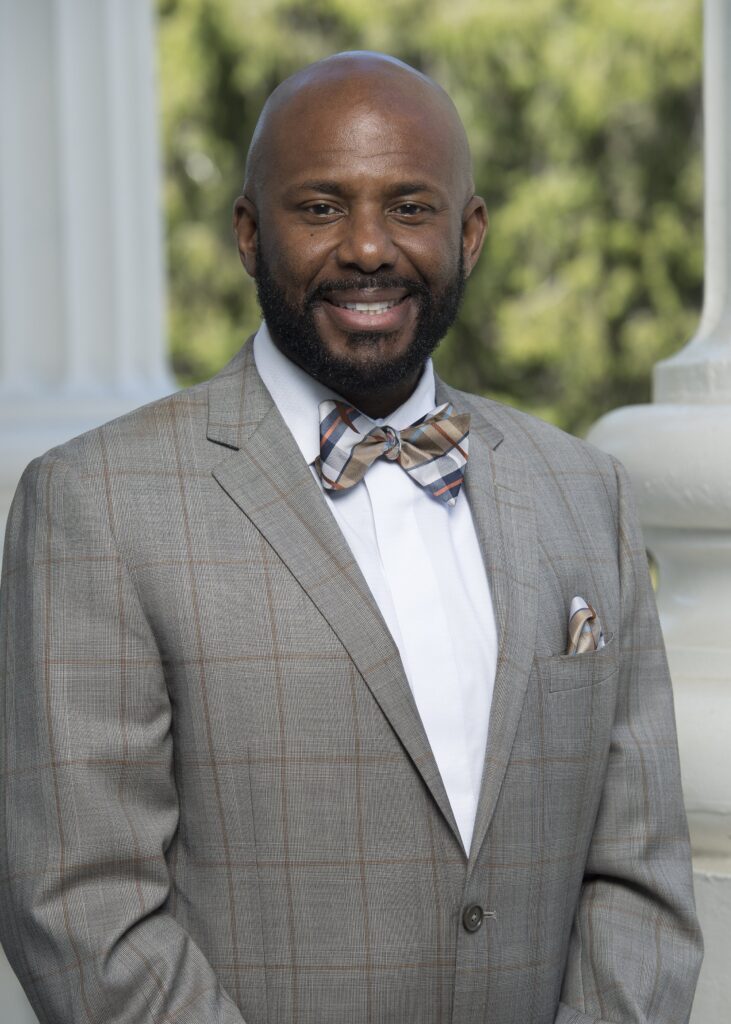
Assemblymember Mike A. Gipson (D-Carson)
Carson, CA — Assemblymember Mike A. Gipson (D-Carson) is welcoming the completion of a new state review examining whether a law he authored to protect foster youth from unnecessary placement changes is working as intended.
Assembly Bill 2247, authored by Gipson and signed into law in 2018 by then-Gov. Jerry Brown, requires social workers to work with a foster youth’s Child and Family Team before changing the youth’s placement and to consider strategies that could preserve the existing placement.
Eight years later, the law became one of the first measures selected for Assembly Speaker Robert Rivas’ new Outcomes Review project, an oversight initiative launched in 2026 to examine how previously enacted California laws are being implemented and whether they are producing the results lawmakers intended.
For Gipson, the review represents an opportunity to look beyond whether legislation was passed and determine how foster youth are actually experiencing the system.
“Throughout my years as a legislator, I’ve fought and continue to fight for better outcomes for foster youth across the state,” Gipson said. “My colleagues share my commitment to protecting this population of Californians from arbitrary removals, cycles of instability, and wasted state resources.”
Placement changes can be among the most disruptive experiences for children and teenagers in foster care. A move can mean leaving a caregiver, changing schools, losing connections with friends or trusted adults and starting over in a new environment.
AB 2247 was designed to create an additional layer of consideration before such a move occurs.
Under California’s Child and Family Team model, a youth’s support network can include family members, caregivers, social workers, service providers, trusted community members and other individuals important to the child. The California Department of Social Services says the process is intended to allow children and families to participate in decisions affecting their safety, stability and well-being.
The law sought to use that collaborative structure to help social workers determine whether problems within an existing placement can be resolved before a foster child is moved elsewhere.
But the Outcomes Review found concerns about how consistently that process has been carried out.
“That is why I am pleased that as a result of an Outcomes Review, the California Department of Social Services will continue improving CFT meetings,” Gipson said. “We heard that youth and advocates were not satisfied with the consistency nor the collaborativeness of CDSS procedures.”
The review creates an opportunity for state officials to examine whether Child and Family Team meetings are happening as envisioned and whether foster youth themselves have a meaningful voice in discussions about where they live.
Rivas launched the Outcomes Review project as a way for lawmakers to revisit legislation after it becomes law rather than assuming passage alone represents success.
The initiative incorporates public hearings, testimony from experts and affected communities, and results-based measurements to evaluate implementation.
“Passing a law isn’t the finish line,” Rivas said. “The Outcomes Review project makes sure we’re checking our work — and it’s already led to real changes at the Capitol: bringing Californians to the table, asking what’s working and what isn’t, delivering real solutions.”
He added that the review is intended to strengthen government accountability.
“This isn’t oversight for its own sake — it’s what accountability looks like,” Rivas said. “We’re just getting started, and I am grateful for Assemblymember Mike Gipson’s leadership.”
Gipson said the review of AB 2247 also demonstrates the importance of listening to the young people and advocates who interact with the foster care system directly.
“I’m deeply grateful to Speaker Rivas for caring about this process,” Gipson said.
The review comes at a time when California continues to examine how its child welfare system can provide greater stability for foster youth.
While laws establish standards and procedures, implementation often happens at the county level through social workers, caregivers, courts and service providers. That can lead to differences in how policies are carried out from one community to another.
The Outcomes Review process is intended to identify those gaps and give lawmakers a clearer picture of whether additional legislation, administrative changes or agency guidance may be needed.
For AB 2247, the next phase will include continued efforts by the California Department of Social Services to strengthen the Child and Family Team process and improve consistency and collaboration.
For Gipson, the issue remains centered on the youth themselves.
His office said the goal of the original legislation was to reduce avoidable disruptions in foster placements and ensure that young people are not moved without first exploring whether the placement can be preserved.
The Assembly’s review now gives lawmakers a chance to measure whether that promise is being fulfilled — and where California’s foster care system still needs improvement.
Information and findings from the Assembly’s 2026 Outcomes Review project are available through the Speaker’s Office Outcomes Review Project Tracker.