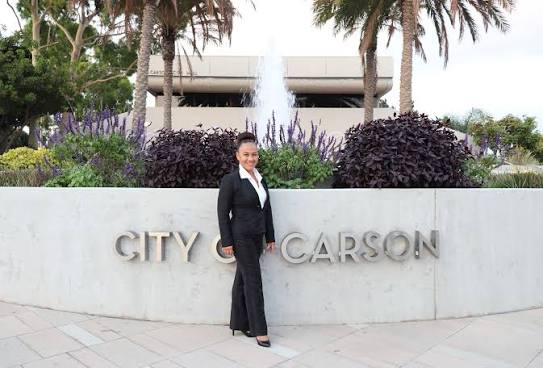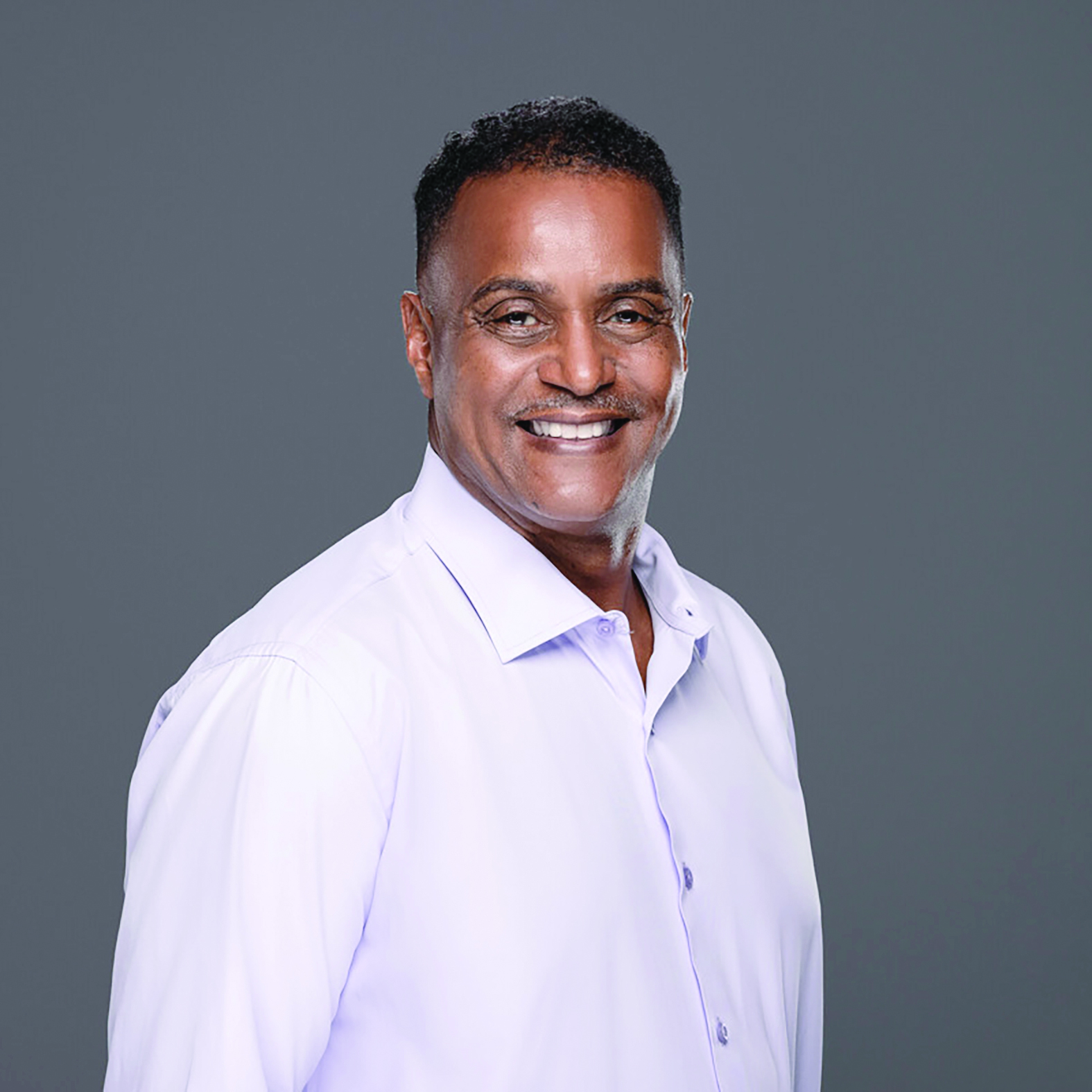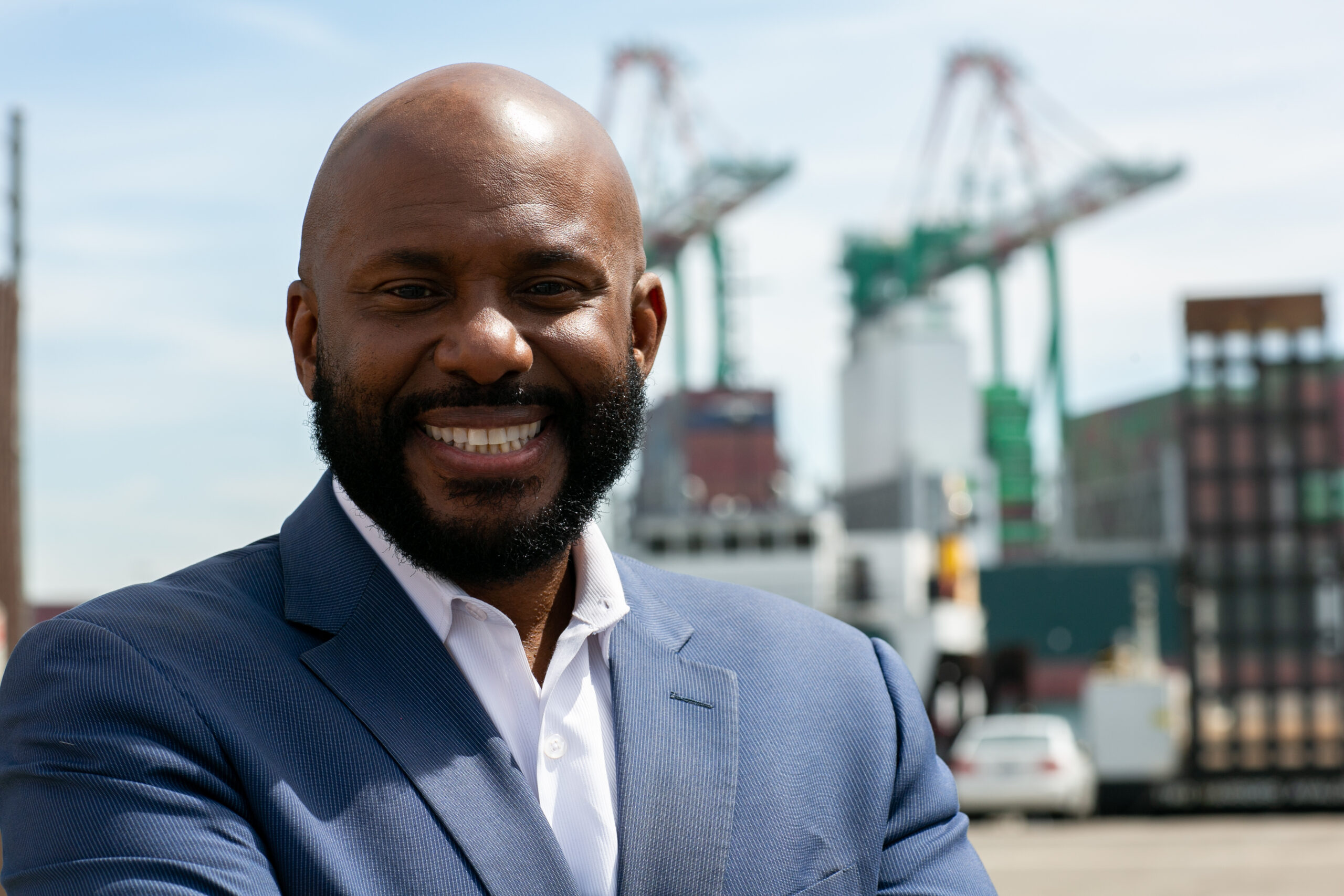
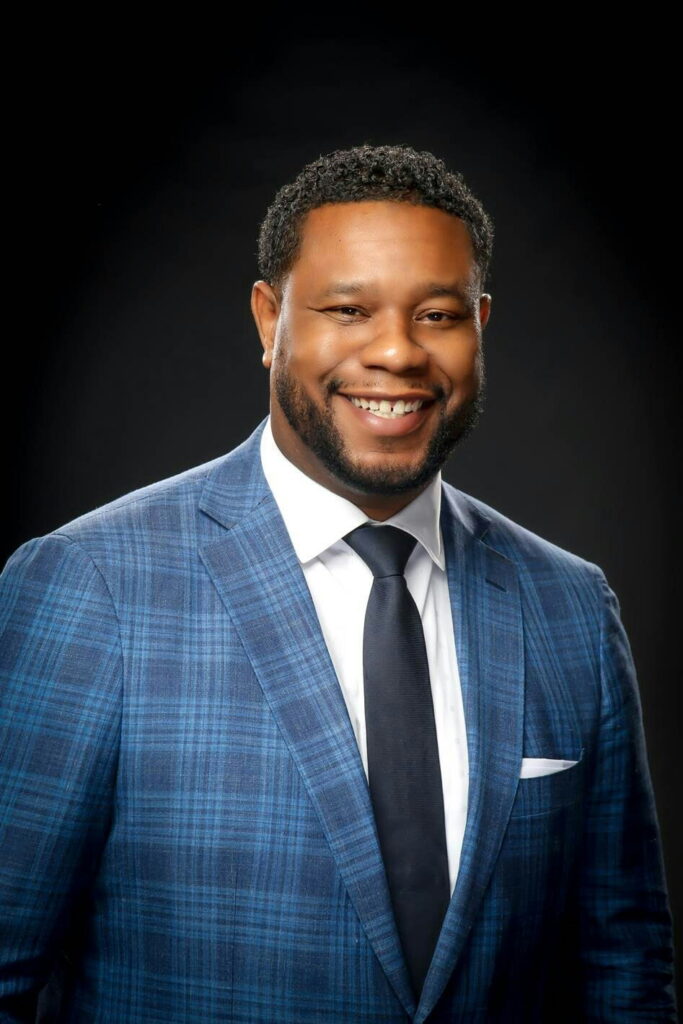
Dr. Jawane Hilton, Carson City Councilman, District 1
Editor’s Note: At The Carson Compass, we believe leadership is about more than policy—it’s about people.
Our Leadership Profile Series introduces the individuals shaping Carson’s future, highlighting their stories, values, and vision. Through these conversations, we invite you to understand what drives them and how they see our city evolving.
By bringing these perspectives forward, we aim to strengthen the connection between our community and those who lead it—while celebrating what makes Carson truly special.
Carson, CA — When Carson City Councilmember Dr. Jawane Hilton talks about public service, he doesn’t frame it as ambition. He describes it as a calling grounded in faith, community and a lifelong connection to the city he now helps lead.
“I was elected in June of 2015. I was the youngest ever to be elected in the city of Carson,” Hilton said in a recent interview. “I’m homegrown. I went to every local public school in the city of Carson, and I just wanted to give back to my community in some way.”
That sense of rootedness defines Hilton’s approach to governance.
A pastor as well as a councilmember, he sees civic leadership and faith-based work as deeply interconnected.
“I think everybody in the community doesn’t belong to the church, but the church belongs to everybody in the community,” Hilton said. “And that has been my model.”
Before joining the council, Hilton served on the city’s Human Relations Commission and stepped into electoral politics following a vacancy left by now-Assemblymember Mike Gipson.
He said the decision to run was less strategic than spiritual.
That “calling,” he said, centers on ensuring that resources reach those who need them most, particularly communities that have historically been left out of decision-making spaces.
“If you’re not at the table, you’re on the menu,” Hilton said. “So I had to create a seat at the table in order to make sure that communities like faith-based organizations are heard.”
His focus on access extends to people reentering society after incarceration, as well as to economic opportunity.
“Make sure that the gentleman who’s coming home from a long stint can get employment with viable unions, giving them second chances,” he said.
Listening, Hilton added, is central to how he evaluates his effectiveness.
Residents, he said, consistently emphasize the need for leadership that is both present and responsive.
“They just want someone who has the heartbeat of the community and not out of touch with their community,” Hilton said.
Among the most persistent concerns is public safety, an issue Hilton approaches through relationship-building rather than enforcement alone.
“One of the main issues, of course, is always public safety. People want a safe place to grow their family,” he said.
In Carson, he points to what he describes as a community-oriented model of policing, where familiarity between deputies and residents helps build trust.
“Our law enforcement, when they drive through the community, they’re waving, they’re not staring down, they’re getting to know their residents,” Hilton said.
He recalled witnessing a traffic stop involving a young Black man that reinforced his confidence in that approach.
“The way he treated the young man with the utmost respect made me say thank you,” Hilton said. “That lets me know that we’re doing a great job in the city of Carson with our law enforcement.”
Beyond safety, Hilton has also worked on addressing long-standing quality-of-life issues, including food access in North Carson.
“I also hear about addressing the food desert that we had in North Carson, and we recently addressed that with our Sprouts Market,” he said.
Education is another priority, particularly for Black students.
Hilton said he collaborates with programs such as the Black Student Achievement Program (BSAP) within the Los Angeles Unified School District.
“I work closely with the BSAP program to make sure that we’re getting the kind of education that we need in our community,” he said.
Still, Hilton credits much of his trajectory to mentors who saw potential in him early on.
“She saw something in me that I didn’t see in myself,” Hilton said, referencing community figure Patricia Simmons.
Outside of City Hall, Hilton’s identity is shaped just as much by family life as public service.
He describes himself first and foremost as a father.
“I’m a father first,” he said. “I wake up and take all my kids to school every single day. I pick my kids up every single day.”
That commitment is reflected in how he structures his schedule.
“Anybody who knows me knows that they cannot get on my schedule between 7 and 9 in the morning or between 2 and 4 in the afternoon,” Hilton said.
His children, he added, have become both observers and motivators of his work.
“They’ve watched the city develop and grow under my leadership,” Hilton said. “If your children are proud of you, you’re doing something.”
Whether in council chambers, at church or at a local park, Hilton’s approach remains consistent: stay connected, stay accessible and stay accountable to the people who raised him.
“I’m approachable and I’m accessible,” he said. “And they know that if they reach out with a concern, I’m going to try to help them.”