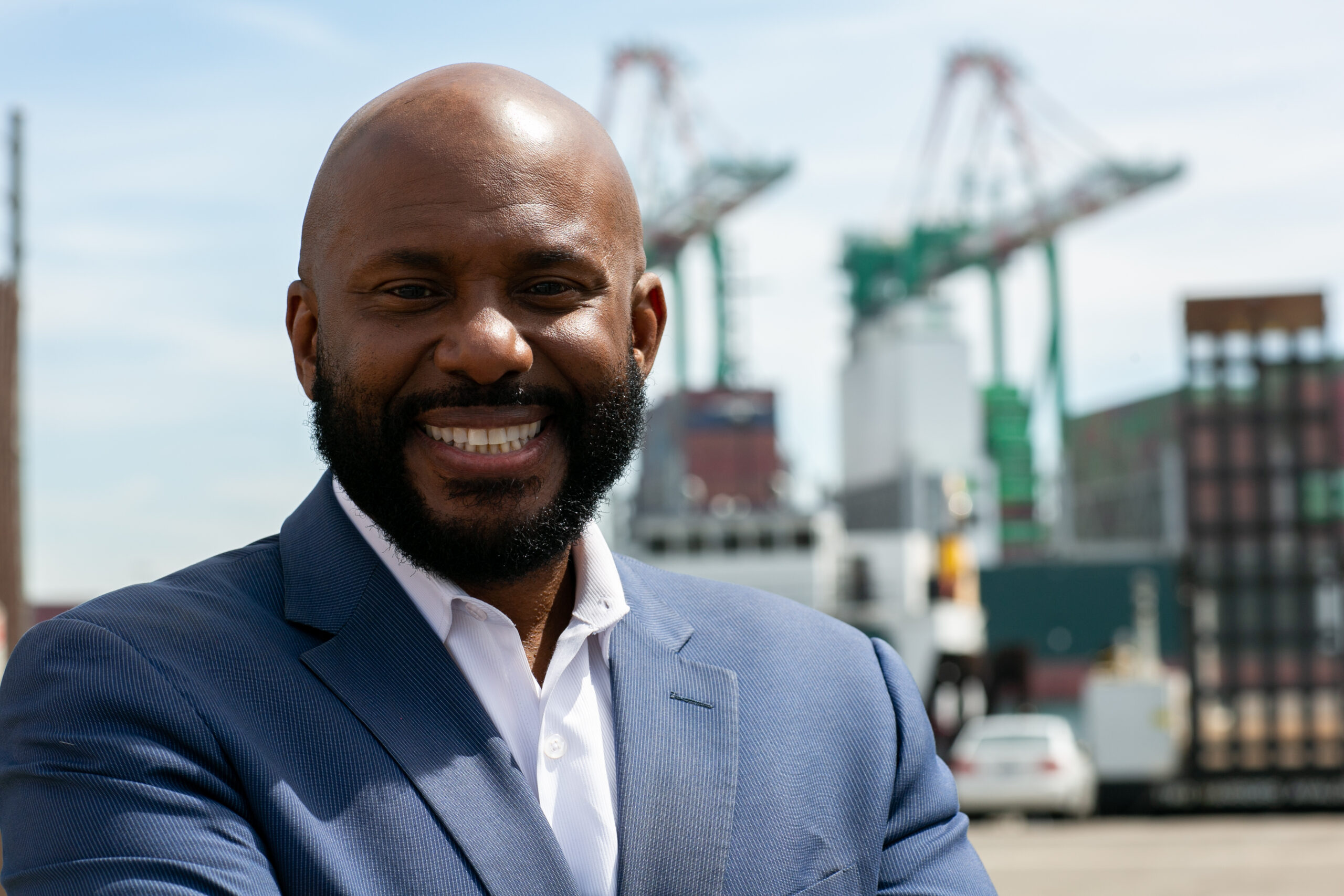
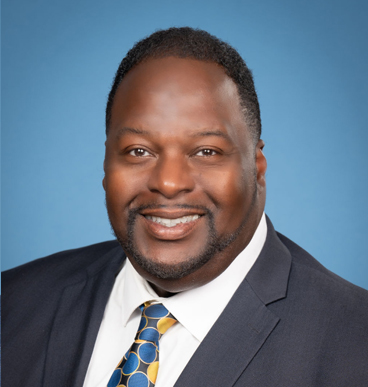
Mayor Pro Tem & District 3 Councilmember, Cedric Hicks
Carson, CA — Carson City Councilmember Cedric Hicks says a lifetime of community service, regional cooperation and investment in residents has shaped both his public career and his vision for the city’s future.
In a recent interview with the Carson Compass, Hicks reflected on his path to public office, his work on regional boards and his priorities for Carson as the city navigates environmental challenges, workforce development and technological change.
Hicks said his commitment to public service began more than four decades ago when he started working for the Compton Police Department in 1983.
He later became involved in community policing efforts and focused on helping young people who often lacked opportunities and resources.
That work eventually led him into municipal government. Hicks served as director of Community services for the city of Compton before joining Carson in 1999 as a recreation program manager.
During his tenure with the city, he oversaw programs serving residents of all ages, from early childhood education to senior services.
“I just love the idea of being in that position to create an atmosphere where people can grow, learn and enjoy themselves from childhood all the way up until seniors,” Hicks said.
After retiring, friends and community members encouraged him to seek elected office.
Hicks said he agreed to run for City Council in 2016 after seeing strong grassroots support from residents who wanted him to represent them.
Hicks recalled that he initially set a benchmark to determine whether residents truly wanted him to run.
“If you can get me enough people, the number was 100 people, to donate towards the campaign, that lets me know the community really wants me to be their representative,” Hicks said.
He credited much of his success to the support of his family, particularly his wife.
“She’s always been supportive of whatever endeavors I wanted to do,” Hicks said. “She knew that I was always helping people, doing food giveaways, toy giveaways to children, health care issues, walk-a-thons for the March of Dimes and for the American Cancer Society.”
He said those experiences helped prepare him for public office.
In addition to his responsibilities in Carson, Hicks recently served as chair of the South Bay Cities Council of Governments, a regional body representing 17 cities.
During his tenure, the organization focused on emerging technologies, including artificial intelligence.
Hicks said the goal was to help local officials better understand AI and its potential uses in government rather than fear the technology.
“We did our general assembly, and our subject matter was artificial intelligence,” Hicks said. “It set the tone for people who were not so much afraid of it, but who were more fascinated by how it works.”
Environmental issues, including those related to AI data centers, remain another major concern for Carson residents.
Hicks noted that Carson’s proximity to oil refineries and industrial operations has long made air quality a significant issue for the community.
“Air quality, for me, has always been a very important part of it,” Hicks said.
He noted that environmental concerns are especially personal for Carson residents.
“At any given time, you would smell different chemicals within our city,” Hicks said, referencing longstanding air quality challenges and the impacts of the Dominguez Channel odor crisis that affected surrounding communities in recent years.
He said his work on the board of the Clean Power Alliance, one of the nation’s largest community-choice energy providers, has allowed him to advocate for cleaner energy policies and alternatives to fossil fuels.
As chair of the organization’s legislative committee, Hicks works with officials from dozens of cities across Los Angeles, Ventura and neighboring counties to explore renewable energy options, including solar, wind and hydrogen technologies.
“One of the key things I do in working with Sacramento is figuring out how to regulate and get clean energy in all of our communities, and especially for the city of Carson,” he said.
He said regional collaboration is essential for addressing environmental issues and improving infrastructure throughout Southern California.
“One of the key things that I know that we’ve pushed forward is to put in electric charging stations in many of our communities,” Hicks said.
Workforce development is another area Hicks believes will play a crucial role in Carson’s future. He pointed to the city’s relationship with the Cal State system as a major asset for residents seeking educational and career opportunities.
“Every city cannot say they have a Cal State University or a university in general within their jurisdiction,” Hicks said.
Looking ahead, Hicks expects Carson’s industrial sector to continue evolving as technology transforms transportation and logistics.
As a major hub connected to the Port of Los Angeles supply chain, the city is likely to see increased adoption of electric vehicles and advanced technologies.
“The technology for our young people coming up is to learn about other environmental services,” Hicks said, emphasizing the importance of preparing residents for careers involving electronics, renewable energy and emerging technologies.
Outside of his official duties, Hicks said he remains active in community and faith-based initiatives. He praised local churches for helping deliver services such as food distributions and community outreach programs.
“I’m very supportive of our clergy and our church foundation within our city,” Hicks said.
Hicks also highlighted several upcoming community events, including Carson’s Juneteenth celebration on June 13, a job fair scheduled for June 30, and his annual Cajun and Blues White Linen event on July 25 at Carson’s new amphitheater.
For Hicks, those events reflect the same community-centered approach that has guided his career for more than 40 years: bringing people together while helping residents access opportunities and resources that improve their quality of life.