Carson, CA — In Carson, decisions about what gets built, where it goes and how it affects residents often pass through a lesser-known but highly influential body: the Planning Commission.
Composed of appointed residents with varied professional and civic backgrounds, the commission plays a central role in shaping the city’s physical and economic landscape, from housing developments to commercial projects and long-term infrastructure planning.
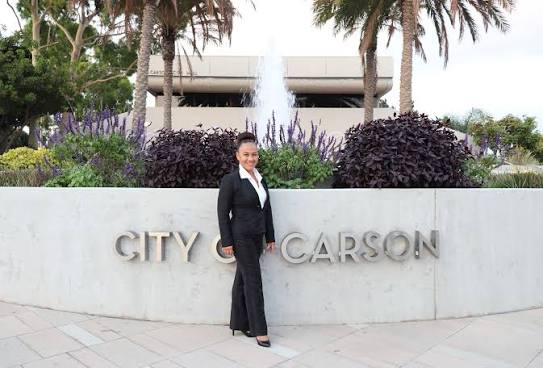
For Planning Commission Chair Dianne Thomas, the role is both technical and deeply personal.
“I consider the planning commission to be the number one commission of all of the commissions,” Thomas said, emphasizing its authority over development decisions. “Because every project, every developer who wants to come in for a project, has to come through the planning commission.”
At its core, the Planning Commission regulates land use, a function that determines how land can be developed and what kinds of projects are allowed in specific areas.
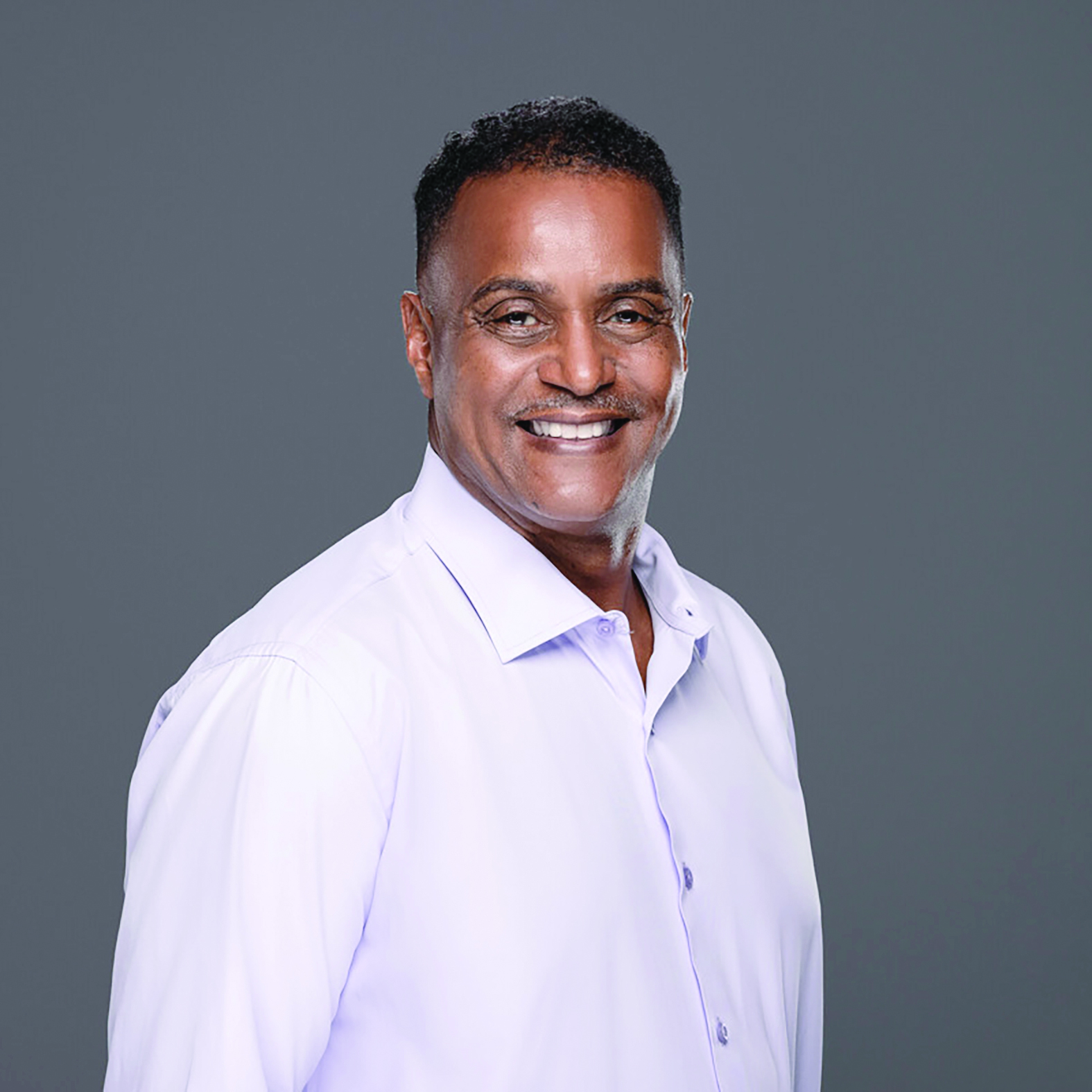
Commissioner Clarence Johnson described it in straightforward terms.
“We regulate land use in the city and approve or disapprove projects as we see them aligning with the path of our progress or the community’s safety,” Johnson said.
The commission operates as both a decision-making body and an advisory group to the City Council.
In some cases, it has final authority. In others, it makes recommendations that elected officials ultimately approve or reject, Thomas said.
That hybrid role places commissioners at a critical juncture between city staff, developers and the public.
Planning commissioners are appointed by elected officials, typically the mayor or City Council members.
Both Thomas and Johnson came to the role through civic involvement rather than traditional political pathways.
Thomas, a retired technology professional, became active in Carson community affairs in the early 2000s before eventually being appointed by Mayor Lula Davis-Holmes.
“When she asked me if I would be on the planning commission, I agreed,” Thomas said, noting she had previously avoided formal roles despite years of activism.
Johnson, who has served on the commission for about two years, said his motivation came from wanting to move beyond criticism into action.
“I have a lot of opinions and at some point I wanted to stop complaining and get involved and control what I can control and influence what I can influence,” he said.
His background in real estate helped guide him toward planning work, though he first served on the Public Works Commission before transitioning into his current role.
While meetings and votes are the most visible part of the commission’s work, both officials said the job requires significant preparation and on-the-ground analysis.
“We actually go to the site to see where it is in the community, what is around it,” Thomas said.
That hands-on approach allows commissioners to assess how projects fit into neighborhoods, whether they complement existing development or risk becoming disruptive.
In recent years, Carson has seen major housing developments, including large-scale residential construction along Avalon Boulevard and redevelopment of former mobile home park sites.
One such effort, referred to by Johnson as the “Carson Triangle,” is bringing new housing to the city at a time when demand is high.
“It’s bringing a lot of housing to the city, knowing how important housing is in this environment,” Johnson said.
Thomas pointed to additional projects, including a major redevelopment of a former landfill site spanning more than 150 acres, as well as ongoing infrastructure upgrades and preparations tied to the 2028 Summer Olympics.
As Carson continues to develop, commissioners say their responsibility goes beyond approving projects, it includes protecting residents from potential harm.
Thomas, who has a long history of community activism, said the commission serves as a safeguard against developments that may disproportionately affect communities of color.
“They come into a more diverse city and try to convince us it’s to our best interest,” she said of some proposals. “But I’m sitting on the Planning Commission.”
The commission also plays a role in ensuring developers comply with city ordinances, zoning laws and environmental standards, often requiring revisions before projects move forward.
Unlike elected offices, where results are often measured in election cycles, planning decisions can take years to fully materialize.
“We might not see that for a few years,” Johnson said. “But I definitely know we’re making a community impact.”
That delayed impact is part of what defines the commission’s work. Decisions made today shape the city residents will live in decades from now.
For Thomas, that foresight, combined with direct involvement in shaping Carson’s future, is what makes the role meaningful.
“I know everything that’s getting ready to be built here and we have some say as to whether we want it or not,” she said.
Both commissioners encouraged residents, particularly younger people, to consider public service roles like the Planning Commission.
“Get involved in some regard. Volunteer, run for office, make friends, shake hands,” Johnson said.
In a city experiencing steady growth and increasing regional significance, the Planning Commission remains a key institution.
Its members, working largely behind the scenes, help determine not just what Carson looks like today, but what it will become in the years ahead.